
bottle shop craft beer delivery guide 2026
Jul 01, 2026
Friday arvo rolls around, the weather's decent, and you want a proper beer. Not a dusty lager that's been sitting under bright lights for months. You want something with flavour, something fresh, maybe a pale ale or a mixed pack from an independent brewery that cares what lands in your fridge.
That's where bottle shop delivery has become useful for craft beer drinkers. The appeal isn't just convenience. It's the ability to skip the traffic, avoid a rushed bottle-o shelf decision, and buy beer with a bit more intention. You get time to read the style notes, check the pack format, and choose from brewery-direct options that often make more sense for freshness.
For many drinkers in Queensland and across Australia, what drives them is simple. You want good beer without the faff. You want to feel like you've made a smart choice, not an impulse one. And if the order supports an independent local producer rather than a giant chain, that usually feels better too.
The Modern Beer Run Your Favourite Craft Beer Delivered
A modern beer run often starts on the couch, not in a car park. You finish the week, think about what you feel like drinking, and realise the old routine doesn't have much appeal. Driving across town for one four-pack sounds like hard work. Ordering fresh craft beer from a local brewery or specialist retailer sounds a lot better.

For craft beer drinkers, that convenience only matters if the beer is worth opening. That's the difference. Fast access to anything isn't the goal. Access to the right beer is. A fresh pale ale, an interesting mixed pack, or a brewery release you won't find everywhere gives bottle shop delivery real value.
Why craft drinkers use delivery differently
People who buy independent beer online usually aren't chasing the cheapest carton. They're chasing freshness, range and confidence. They want to know the beer hasn't sat around too long, and they'd rather buy from a source that knows how to pack and handle it properly.
That's why brewery-direct ordering has become such a natural fit. If you're curious about local options, this guide to beer delivery on the Gold Coast is a useful starting point for how direct ordering works in practice.
Good bottle shop delivery feels less like a late-night convenience purchase and more like stocking your fridge properly for the weekend.
There's also a practical side that most buyers never see. The final hand-off from warehouse or brewery to your front door matters more than people think. If you want a simple explanation of the logistics behind that last step, BFC Logistics has a clear overview of last mile delivery for Australian businesses that helps explain why some deliveries feel smooth and others don't.
The sweet spot is easy to recognise. You order from a seller with a decent range, sensible delivery processes, proper ID checks, and beer that arrives in good condition. For a craft beer drinker, that's a far better outcome than rushing into the nearest store and hoping the shelf has something decent left.
How Bottle Shop Delivery Actually Works
Bottle shop delivery is straightforward once you've done it once. For most buyers, it's no more complicated than ordering coffee gear, pantry staples, or a case of wine online. The difference is that alcohol has a few extra compliance steps, and those steps matter.

The broader shift is already well underway. The Australian online alcohol delivery market was valued at USD 15.6 million in 2025 and is projected to reach USD 42.4 million by 2034, growing at 11.38% annually, according to IMARC Group's Australia online alcohol delivery market report. The same source notes that an extra 316,000 Australians entered the market in 2020, which shows how normal online beer buying has become.
The basic order flow
Here's what usually happens from click to delivery:
-
You browse the range
That might mean buying a known favourite, building a mixed order, or using a discovery pack if you want variety. -
You add beer to cart and check out
At this stage, you enter delivery details and complete payment through the retailer's checkout. -
The seller processes the order
The brewery or retailer picks, packs and labels the order. Good operators also make sure the parcel is flagged correctly as alcohol. -
The courier takes over
The order moves through the courier network with instructions attached for age-restricted delivery. -
You receive the order in person
If ID is required, have it ready. That step isn't optional.
A practical example is the Mixed 16-Pack, which includes sixteen 440mL cans across multiple styles, with substitutions used when a particular beer is unavailable so the pack still arrives as 16 distinctive cans. Mixed formats like that suit first-time orders because they let you sample broadly without guessing wrong on a full case.
Where buyers usually get stuck
The friction points are almost never the beer. They're usually about timing, delivery windows, or uncertainty around age checks. A clear retailer reduces that friction by setting expectations early, which is one reason educational pages like this guide to beer delivery services in Australia are useful before a first order.
Later in the process, fulfillment quality matters just as much as the website. If you run any e-commerce operation, CartBoss has a practical piece on how to boost sales with efficient shipping, and many of the same fulfilment lessons apply to alcohol too. Better packing, clearer delivery communication and fewer handoff mistakes make a visible difference.
This short video gives a simple visual sense of the process in action.
Practical rule: If a bottle shop delivery site makes the process feel vague, expect the delivery experience to feel vague too.
Navigating The Rules And ID Checks In Australia
Alcohol delivery isn't a loophole around normal service rules. Legitimate operators have to treat it as a regulated sale from start to finish, and that's a good thing for customers as well as sellers. If a business is serious about bottle shop delivery, it should be just as serious about age checks, delivery conditions and refusing unsafe handovers.

Across multiple Australian jurisdictions, the basic standard is consistent. The recipient must be 18 or older, must not appear intoxicated, and may need to show approved photo identification such as an Australian driver's licence, passport or state-issued Photo Card, as outlined in Cellars' alcohol delivery policy summary.
What responsible delivery looks like
For the buyer, the practical version is simple:
- Be present for the delivery if the order requires handover.
- Have valid photo ID ready if the driver requests it.
- Make sure the named recipient or another authorised adult is available.
- Don't expect a driver to complete the delivery if the recipient appears intoxicated.
Those aren't awkward hoops. They're signs that the seller and courier are taking the sale seriously.
A problem in the market is that not every service does. An SBS report on a 2024 survey noted a significant compliance gap in online alcohol delivery, with services often ignoring rules about serving intoxicated people. The same report says FARE is calling for mandatory digital age verification and ID checks on delivery. You can read that coverage in SBS's report on online alcohol delivery services ignoring rules and serving drunk people.
If a seller treats ID checks as a nuisance, that usually tells you a lot about the rest of their operation too.
State rules matter
The broad principles are national, but some state requirements are more specific.
In New South Wales, alcohol delivery providers must ensure delivery workers complete responsible supply training, report delivery data to Liquor and Gaming NSW every six months, and verify the age of online customers before completing a transaction. Same-day deliveries are also restricted to sellers holding a valid NSW liquor licence, according to the NSW alcohol delivery requirements listing.
In Victoria, off-premises delivery rules include limits on order volume in some circumstances. Bottle shops delivering alcohol must not supply more than 750mL of wine or 6 x 375mL containers of beer, cider, or pre-mixed spirits per delivery order, and same-day deliveries must be made to a person and can't be left unattended unless the customer is a repeat client with prior instructions, as set out by the Victorian Government's page on off-premises requests for alcohol delivery.
Why this builds trust instead of killing convenience
A lot of drinkers worry that compliance makes ordering painful. In practice, the opposite is usually true. Clear rules remove uncertainty. You know what the courier needs, you know who can accept the parcel, and you know the seller isn't winging it.
For businesses comparing liquor frameworks in other markets, even an overseas example can show how tightly regulated service models tend to be. OrderOut's article on restaurant alcohol licensing in SC is one example of how operators elsewhere think about compliance structure, even though Australian buyers need to follow local law.
A good bottle shop delivery experience should feel organised, sober and boring in all the right places. The beer can still be exciting. The legal handover shouldn't be.
Keeping Your Craft Beer Fresh And Flavourful
Freshness is where craft beer delivery either earns its place or falls over. If you're ordering hop-forward beer, the whole point is flavour that still feels alive when you crack the can. Stale malt notes, tired aroma and heat damage can flatten a beer fast, especially if the product spends too long in the wrong conditions.
That's why brewery-direct ordering often makes sense for craft beer drinkers. You're closer to the source, which usually means less guesswork about storage, less time spent bouncing around retail shelves, and a better chance of getting beer that tastes the way the brewer intended.
What to look for before you order
A decent seller usually gives itself away through small details:
- Pack format that suits the beer. Cans are practical for craft beer because they help protect it from light.
- Clear product turnover. A focused range from a brewery or specialist retailer is often safer than a random shelf mix.
- Thoughtful packaging. Sturdy cartons and secure internal packing matter, especially for courier handling.
- Beer styles matched to your timeline. Buy hop-driven styles to drink reasonably fresh. Sturdier dark beers can be more forgiving.
If you're buying a pale ale or IPA, don't treat it like pantry stock. Buy what you'll realistically drink while it's showing well.
What to do when the order arrives
Delivery doesn't end at the front door. The first hour matters.
| Arrival step | Why it matters |
|---|---|
| Bring the beer inside promptly | Heat is hard on flavour, especially in Queensland conditions |
| Let cans settle | Agitated beer can pour rough straight after transit |
| Refrigerate what you'll drink soon | Stable cold storage helps preserve character |
| Store the rest somewhere cool and out of light | Even sealed beer benefits from sensible handling |
The best delivery system in the world can't rescue beer that's left in the sun after drop-off.
One more practical point. Mixed packs can be a smart freshness play because you're opening a spread of styles rather than sitting on a full case of one beer too long. For craft drinkers who like trying new releases, that's often a better match than buying on autopilot.
How To Choose The Right Seller And Support Local
Friday afternoon, the fridge is looking thin, and you want beer that still tastes like the brewer intended. That is where the choice of seller matters. For craft beer, bottle shop delivery is not just about getting alcohol to the door. It is about getting beer with good turnover, sound handling, and enough product knowledge behind it that you are not buying blind.

Independent sellers usually suit craft drinkers better because they care about the same things. Fresh hop character. Clear release information. Smaller runs. Local context. A good local bottle shop or brewery-direct store will often tell you more about what is drinking well right now than a giant marketplace with hundreds of generic listings.
Signs you're buying from a serious operator
The best sellers make the hard parts boring. They explain the rules clearly, pack orders properly, and give you enough detail to judge whether the beer is worth buying.
Look for a few practical signs:
-
Clear delivery and failed-delivery terms
You should know who can accept the order, what happens if nobody is home, and which postcodes are covered. -
Useful beer information
Good sellers list style, pack contents, release notes, and any substitutions before you pay. -
A proper compliance process
Alcohol delivery needs age checks at checkout and at handover, not vague language buried in the fine print. -
Range with intention
Mixed packs, seasonal releases, and curated local selections usually signal that the seller understands how craft buyers shop. -
A direct line to the source
Brewery-direct stores and focused independents can often answer freshness questions faster than a broad retail chain.
There is a technical side to this as well. Starshipit explains in its guide to alcohol delivery with service codes and ID checks that alcohol shipments can be flagged with service codes such as TONID, which prompts an ID check by the driver. That is a good sign. It shows the seller is treating beer delivery as a regulated sale, not a standard parcel drop.
Why buying close to the brewery often works better
For craft beer, fewer steps between the tank and your fridge usually means better odds of getting the beer in good condition. Brewery-direct stores often have faster turnover on their own releases, better visibility on what is new, and more care around limited stock. They also tend to know which beers should be drunk fresh and which ones can sit for a bit.
Here is the trade-off in plain terms:
| Buying route | What usually stands out |
|---|---|
| Large generic marketplace | Easy to browse, but freshness and style-specific guidance can be patchy |
| Traditional bottle-o delivery | Convenient for mainstream brands, with quality depending on staff buying and stock turnover |
| Brewery-direct online store | Better product knowledge, closer connection to release timing, and a stronger fit for fresh craft beer |
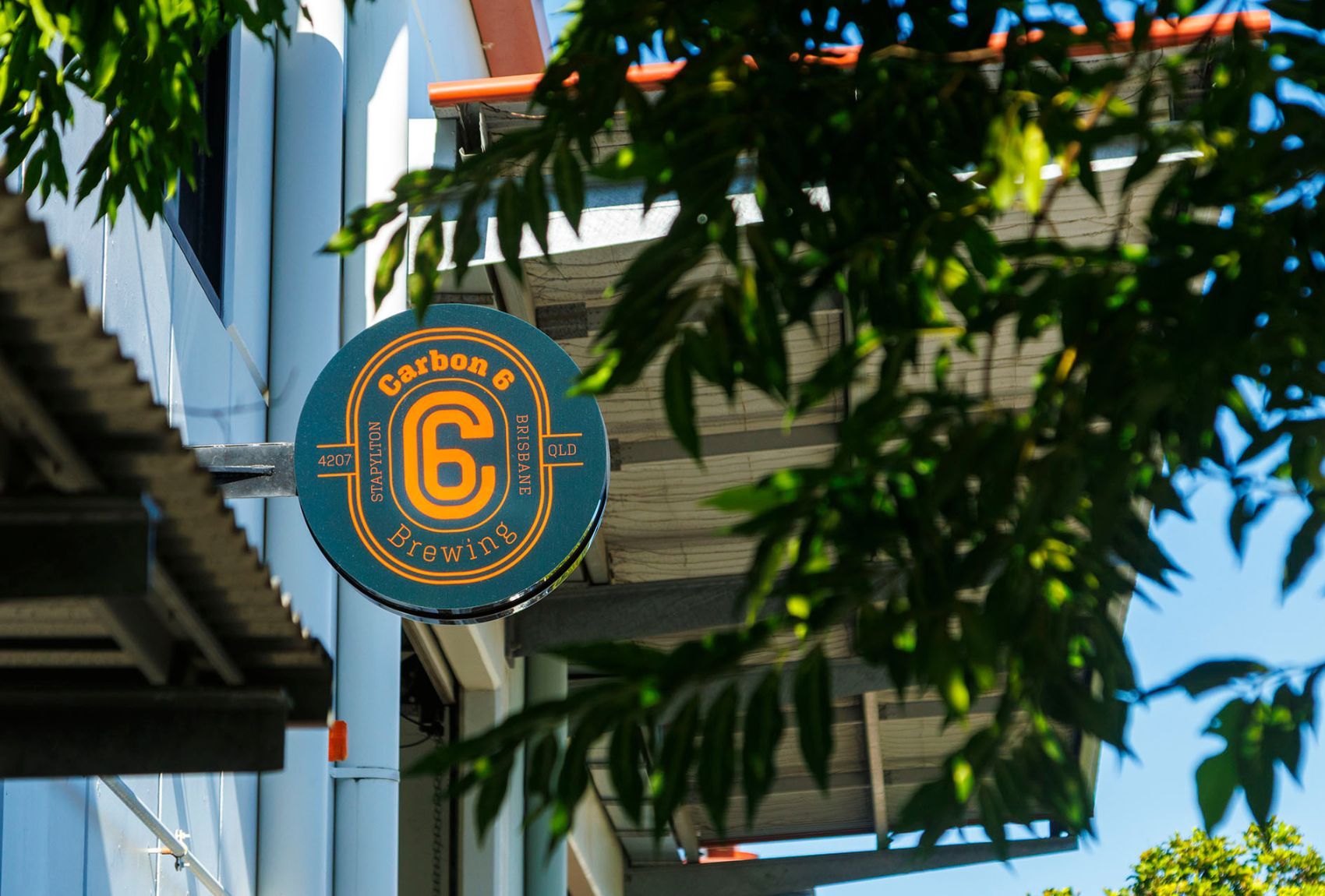
For buyers in South East Queensland, Carbon 6 Brewing Pty Ltd is one example of that brewery-direct model. Based in Stapylton on the northern Gold Coast, it sells straight to drinkers rather than relying only on wholesale shelves. That matters because direct sales can shorten the path from brewery to customer.
Support local when the local option is doing the job properly. In craft beer, that usually means fresher stock, better advice, and more of your money staying with independent producers.
There is also a value question here, not just a sentiment question. If you are weighing brewery-direct ordering against a broader retailer, this guide to craft beer delivery value, pack sizing, and freshness trade-offs gives a useful breakdown of how those decisions tend to play out.
A local seller does not get a free pass just for being local. The service still needs to be organised, the beer list still needs to make sense, and the handover still needs to be compliant. When those pieces are in place, supporting independent breweries is often the smartest way to get better craft beer delivered.
What To Expect For Costs Timelines And Minimums
Most buyers ask the same practical questions first. What will delivery cost, how long will it take, and is there a minimum order that makes it worthwhile? The honest answer is that this varies by seller, location and courier network, so it's better to think in patterns rather than assume every bottle shop delivery works the same way.
For craft beer, order value often changes the equation. A single four-pack can feel expensive once delivery is added. A mixed pack or larger order usually makes more sense, especially for drinkers who already know they'll stock the fridge for the week or split an order with friends. If you're weighing that trade-off, this article on craft beer free delivery in Australia and best-value ordering gives a useful overview of how pack size and freight value tend to interact.
Standard delivery versus rapid delivery
For a craft buyer, standard planned delivery is often the better fit than instant alcohol fulfilment.
That's partly about quality and partly about behaviour. Research highlighted by Movendi found that 70% of Australians using rapid alcohol delivery services reported high-risk drinking, and 38% consumed more than 10 standard drinks on the day of delivery, as covered in this report on Australia's boom in alcohol on-demand delivery and alcohol harm.
That doesn't mean every fast delivery order is reckless. It does mean there's a real difference between a planned brewery order and an impulse purchase made for immediate consumption.
What usually works best
A simple rule of thumb helps:
- Local orders can be quicker, but still depend on dispatch schedules and licence conditions.
- Intra-state orders are often a sweet spot for brewery-direct delivery.
- Interstate orders usually need more patience and better packaging.
- Larger mixed orders tend to justify freight better than tiny top-up buys.
If you care about freshness, your safest play is to order before you've run out, not after. That mindset alone improves most of the cost and timing frustrations people have with bottle shop delivery.
FAQs And Troubleshooting Common Delivery Issues
What happens if I'm not home?
If the order requires an in-person alcohol handover, the courier may not be able to leave it unattended. That depends on the seller's process and the rules applying to the delivery. The safest move is to use an address where an authorised adult can receive the parcel during the delivery window.
What ID should I have ready?
Use current photo identification that clearly shows your age and identity. In practice, a driver's licence or passport is the most straightforward option. Make sure the name and recipient details aren't causing avoidable confusion at the door.
What if my order arrives damaged or the wrong beer is inside?
Take photos of the outer carton and the contents as soon as you notice the issue. Then contact the seller promptly with your order details. Good operators can usually sort these issues much faster when the message includes clear photos, the delivery label and a short description of what went wrong.
Can someone else accept the order for me?
Sometimes yes, but only if that person is an adult and the seller's conditions allow it. They may still need to show approved ID and they can't appear intoxicated. If you know someone else may receive the parcel, check the retailer's delivery terms before ordering.
Is a mixed pack a good first order?
Usually, yes. Mixed packs reduce the risk of getting stuck with a full case of one beer that doesn't suit your taste. They're also useful if you're learning a brewery's range and want to work out whether you lean pale, hazy, crisp or darker.
Bottle shop delivery works well when expectations are clear. Order from a seller that explains the rules, handles beer properly and makes support easy to reach if something goes wrong.
If you'd rather buy from a local independent brewery with a direct-to-consumer focus, Carbon 6 Brewing Pty Ltd is based in Stapylton on the northern Gold Coast and offers an online path for Queensland craft beer drinkers who care about freshness, sensible delivery, and buying closer to the source.