
Culture and Co: Redefining Gold Coast Craft Beer
Aug 06, 2026
Most Friday arvos on the Gold Coast end the same way. Someone cracks a tinnie, someone else reaches for a mixed pack, and the decision starts before the first sip, because the buyer isn't just choosing beer, they're choosing what kind of local they want to be seen as. In a market like ours, freshness, provenance, and community carry as much weight as flavour, especially when the carton is sitting next to a multinational six-pack and the local option feels closer to home.
That's where Culture and Co earns its place in the conversation. In craft beer circles, it has come to mean more than a name, it signals a way of doing business that values place, collaboration, and trust. For Queensland drinkers, that matters because the choice often comes down to whether the brewery feels like part of the local scene or just another label in the fridge.
The Friday Arvo on the Gold Coast That Started This Thought
At about 4 pm in Burleigh, the heat still hangs around and the esky gets opened with the sort of confidence that says the weekend has already started. One mate grabs the familiar lager pack, another spots a local IPA brewed up the road, and the second person usually wins the argument without saying much. That's not because the label is louder, it's because the beer feels closer to the life people are already living.
For a lot of Gold Coast drinkers in their late twenties through to their forties, the switch to independent beer isn't a big ideological leap. It's a quiet preference for supporting local makers, knowing who brewed the beer, and feeling like the purchase says something about taste rather than just habit. When beer is fresh, local, and tied to a place people recognise, it carries social currency that a standard import or supermarket pack can't fake.
Practical rule: if a beer can be explained in one sentence as “made here, by people we know, for occasions we actually have”, it's usually doing more work than a generic campaign ever will.
That's why the phrase Culture and Co matters here. On the Gold Coast, it reads like a shorthand for the whole idea that beer should belong to a scene, not just a shelf. Carbon 6's own Gold Coast beer guide is a useful local reference point if you want to see how that idea sits inside the broader independent brewing conversation on the coast, not just in a branding deck, Carbon 6 Brewing's craft beer guide for the Gold Coast.
The emotional driver isn't complicated. Buyers want to feel smart, connected, and close to the source. If the beer also tastes right and gets delivered without drama, the deal is done.
What Culture and Co Actually Means in 2026
Culture and Co is not one fixed thing, and that's exactly why it needs a clean definition before anyone builds content around it. In the public record, it points to a Nashville venture that opened in 2020 as a mother-and-daughter business and was promoted as the first cheese conveyor belt restaurant in the United States, with a concept built around artisan American cheese, seasonal pairings, and a natural wine list, according to its own about page (Culture + Co about us). It also appears as a Melbourne, Victoria, Australia entity with a LinkedIn-listed founding year of 2019, a privately held profile, and a small team size of 1–10 employees (Culture & Co LinkedIn listing).
One phrase, three useful readings
In a Queensland brewing context, none of those references cancel each other out. They just show that the phrase has become flexible enough to mean a hospitality concept, a small business entity, or a culture-led brand idea. For Carbon 6 and similar breweries, the useful meaning is the third one, a shorthand for place-based brand building, where the product, the people, and the story all point back to the same local identity.

The practical definition I'd use is simple. Culture and Co means a brewery or brand that sells beer by selling belonging, provenance, and participation in the local scene, not by pretending every can is for everyone everywhere. That's why the Gold Coast interpretation is the one that matters most to readers here.
A mate should be able to hear the phrase, ask one question, and get the answer without a long explanation. If the answer sounds like a community, a venue, or a collab-led brand, you're in the right lane.
The Four Pillars of a Culture-Led Craft Brewery
A culture-led brewery does not survive on atmosphere alone. It depends on repeatable habits that make the brand feel credible every time someone buys, drinks, or recommends it. On the Gold Coast, those habits usually show up as provenance, collaboration, experience, and consistency.

Provenance and collaboration
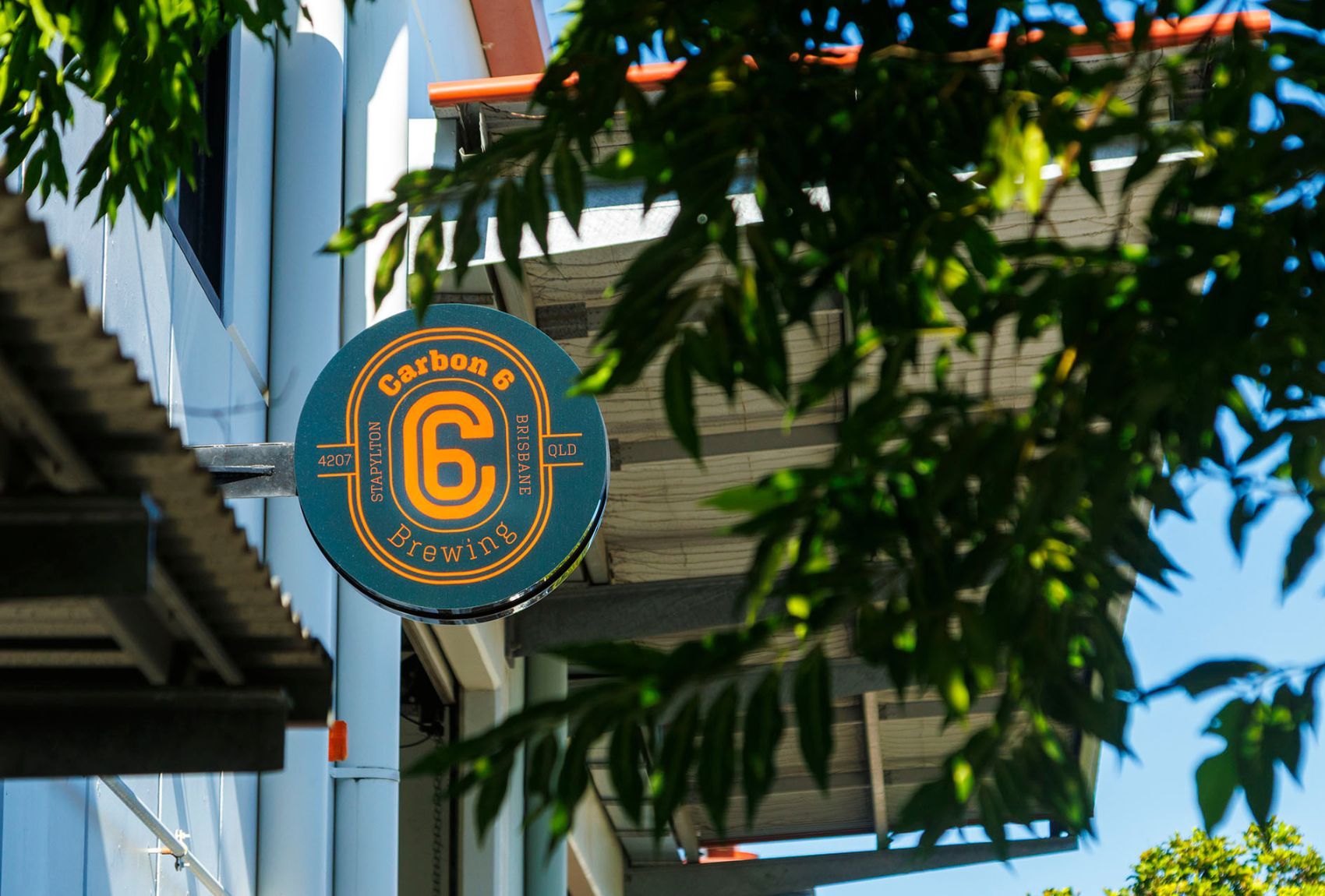
Provenance is the easiest pillar to spot, because it tells people where the beer comes from and who made it. Carbon 6 already has that local signal built in through its Stapylton base and its direct connection to Gold Coast drinkers, which matters because buyers trust a brewer they can place on a map and follow in real life. Collaboration adds another layer, because a co-brew turns a single release into a shared story that both audiences can repeat.
Experience and consistency
Experience is where culture becomes tangible. Taproom visits, local events, and online tastings give people a reason to come back after the first purchase, while consistency keeps the whole thing credible when the next carton lands on the doorstep. A brand can get attention once, but it cannot earn repeat buying without dependable quality.
If a release fits the occasion-led mindset, it can help. The Occasional Beer: WC Pils is described as a West Coast Pilsner with a collector's edition six-pack format, and that kind of packaging shows how a beer can be framed around sharing, collecting, and summer use without drifting into generic hype.
What works: a release that feels tied to a place, a moment, and a brewing decision.
What doesn't: a product that changes only the label while offering nothing new.
On the Gold Coast, people notice the difference fast. If the brewery cannot back up the story with the beer itself, the story gets left behind at the bar.
What a Culture and Co Collaboration With Carbon 6 Could Look Like
A strong collaboration starts with two crews arriving for the same table, each bringing something useful. Carbon 6 should treat Culture and Co as a working partnership, not a label exercise, so the release has a clear local angle, a brewing reason, and a customer story that makes sense before the beer is poured.
The version that works
The strongest version would start with a Gold Coast idea that suits how people drink here. That could be a style that fits the coast, a seasonal beer tied to a local moment, or a flavour profile that sits naturally beside Carbon 6's house range. Cardinal Red IPA is a fair reference point because it already signals a beer with local character, not something that could have come from anywhere. The partner needs to be present on site, the brew day should be visible, and the launch should give taproom regulars first access.
The story has to hold up beyond the glass. Carbon 6's own about page makes the independent positioning clear, and that matters because collaboration only works if both sides keep their own identity while sharing the release.
The version that fails
Contract brewing for hire strips out the part people remember. If the partner never appears in the room, never talks through the process, and never gives the beer a real local anchor, the release turns into another printed label in a shipping carton. It may still move through the store, but it will not build the kind of memory that brings someone back for the next pack.
A few choices usually separate the two paths:
- Theme first, branding second: choose the local story before the artwork.
- Taproom visibility: put the partnership on site where customers can see it.
- Loyalty first: release to existing customers and regulars before chasing broad awareness.
- Story continuity: keep the social content, tasting notes, and retail page aligned.
That is the difference between a community release and a marketing exercise. One gives people a reason to return. The other just adds noise.
SEO and Content Angles for Reaching Local Craft Beer Drinkers
The buyer who orders a mixed pack online usually doesn't search like a brand manager. They search like a person with a fridge, a weekend, and a vague plan to find something better than the usual six-pack. That means a Gold Coast brewery needs content that matches how people look, not how marketers wish they looked.

Build around search intent
Head terms like craft beer delivery Queensland and Gold Coast brewery tours should sit on the broader location and experience pages. The longer-tail terms do the conversion work, things like locally brewed IPA, independent Australian breweries, and best craft beer gifts. Those phrases belong in release write-ups, brewer profiles, and pages that show why the beer is worth ordering from a local business rather than a marketplace.
For keyword discovery, a practical starting point is the keyword strategy guide from RankEngine. The value there isn't magic, it's in finding the lower-friction terms that match how real people search when they're ready to buy.
Match the page type to the goal
A location page should answer where you are and how to visit. A brewery profile page should tell the story of the team and the process. Release pages should carry the product details, the occasion, and the ordering path. If those pages talk to each other through internal links, blog content can move someone from curiosity to checkout without pushing too hard.
For a Gold Coast brewery, the best pages usually do three things at once:
- Reduce uncertainty: clear location, shipping, and product information.
- Build identity: local language, real team names, and recognisable references.
- Push action: simple pathways to shop, visit, or join a club.
The mix-pack shopper is rarely looking for the cheapest option. They're looking for a reason to feel confident about the purchase. Good SEO gives them that reason before they reach the cart.
Marketing Craft Beer in Australia Without Crossing the Line
Beer marketing in Australia has guardrails, and the brands that ignore them usually learn the hard way. The ABAC Scheme sets enforceable content rules for alcohol ads, including that ads must not encourage excessive or rapid drinking, must not suggest alcohol improves success or social standing, and must not depict alcohol as a reward for achievement (ABAC context referenced through the compliance framework). That means the message has to stay on the right side of belonging, flavour, and local pride.
Meta ads add another layer of discipline. If the campaign is going anywhere near Facebook or Instagram, the creative and targeting need to comply with alcohol advertising restrictions, especially around age targeting and avoiding anything that could appeal to minors. A campaign that looks clever in the studio can get pulled fast if it ignores those rules.
The emotional drivers that still work
What's left is plenty. People still buy for belonging, taste exploration, and the satisfaction of supporting local makers. Those are the core emotional levers anyway, because craft beer buyers often want something that feels chosen, not just consumed. They want a beer that says they know the difference between a fridge filler and a local release.
A clean campaign checklist helps:
- Stay away from achievement framing: don't link beer with success, status, or reward.
- Keep drinking behaviour responsible: no language that encourages excess or speed.
- Target adults properly: don't drift into broad, sloppy audience settings.
- Keep the local truth visible: say where the beer is made and why it exists.
If your ad copy sounds like it belongs in a nightclub flyer, it's probably wrong for a craft beer brand. If it sounds like a mate recommending a beer because it tastes good and comes from people you can meet, it's closer to the mark.
Building a Culture and Co Landing Page That Converts
A landing page has to do more than tell a story. It has to help a buyer decide, trust, and act without getting lost in the scroll. For a Culture and Co hub on the Carbon 6 site, that means the structure needs to feel sharp on mobile and calm enough to let the beer do the convincing.
Start with the answer, not the autobiography
The hero block should say what the page is, why it matters, and where to go next. After that, a short story block can explain the local idea, followed by a collaboration strip that points to partner releases or event tie-ins. The beer range belongs next, because people who landed on the page already want to know what they can buy.
The proof section needs to come after the product range, not before it. Reviews, event moments, and simple trust signals do their job best once the visitor already understands the offer. The FAQ then handles the friction points, shipping, age gating, pack size, and whether the mixed packs make sense for home delivery.
For subscriptions or repeat-buy flows, the article first cycle churn reduction tactics is a useful reminder that onboarding matters most before a customer's first renewal decision. That principle translates neatly to beer clubs, where the first order should make the next one feel easy rather than forced.
The blocks that belong on the page
- Hero: short headline, local hook, direct shop or join button.
- Story block: what culture and co means in the Carbon 6 context.
- Collaboration strip: rotating partners, events, or limited drops.
- Beer range: grouped by style or occasion, not by internal warehouse logic.
- Trust section: ABAC-compliant language, age gate, shipping clarity.
- FAQ: simple answers to the questions that delay checkout.
The C6 Can Club membership belongs naturally in this mix because it gives repeat buyers a clear pathway back without needing a hard sell every time. Mixed-pack upsells should sit near the cart, not buried under marketing fluff. That's where the page earns its keep, by making the next click obvious.
Why Culture Is the Hardest Thing for Big Beer to Copy
Big beer can buy tanks, hops, distribution, and shelf space. It can copy a recipe close enough that most casual drinkers won't spot the difference. What it can't copy quickly is the relationship between a Stapylton brewer and the locals who know the taproom, the release calendar, and the people behind the counter.
That relationship is the moat. It grows through every collab, every local release, every clear landing page, and every time a buyer feels like the brewery understands the occasion they're drinking for. A multinational can outspend a small brewer, but it can't easily reproduce the lived-in trust that makes a mixed four-pack feel like part of a weekend rather than just another purchase.
For a broader look at how loyalty is built from repeated emotional cues rather than one-off transactions, the emotional connection brand loyalty guide is a useful reference point. The same logic applies here, because loyalty in craft beer usually comes from familiarity, relevance, and a sense that the brand sees the customer clearly.
The beer matters. The story matters too. The brands that last make both line up.
That's why Culture and Co is more than a phrase in 2026. In Gold Coast craft beer, it describes the difference between a brewery that ships product and a brewery that builds a scene around the product. One can be copied. The other has to be earned, pint by pint, release by release.
Carbon 6 Brewing Pty Ltd makes independent craft beer for the Gold Coast market, with a focus on direct-to-consumer orders and local wholesale. If you're looking for beers, memberships, and release-led buying paths that fit this culture-led approach, visit Carbon 6 Brewing Pty Ltd and see what's on pour right now.