
Gold Coast brewery guide: A Gold Coast Beer Lover's Guide
Apr 14, 2026
You know the moment. You’re standing in front of a bottle shop fridge on a warm Gold Coast afternoon, staring at a wall of cans that all promise “refreshing”, “crisp”, or “easy drinking”, and somehow they still feel the same.
Or you’re at a pub, the tap list looks decent from a distance, then you get closer and it’s the usual suspects with a token “craft” option tucked in the corner. You want something local. Something with a bit of character. Something that tastes like a brewer cared when they made it. But finding a genuine south coast brewery experience can feel harder than it should.
That’s the good news. Once you know where to look, the Gold Coast and the broader southern coastal brewing scene open up fast. You stop buying beer by habit and start buying it by curiosity. That shift changes everything.
Beyond the Big Four The Quest for a Real Local Beer
Few people start chasing independent beer because they want to become experts. They start because they’re bored.
The standard fridge lineup does the job, but it rarely gives you that sense of discovery. There’s no conversation in it. No memory. No “where did you find this?” moment when you crack something good at a barbie or pull a fresh can from the esky after a day near the water.
What drives the search for local options
What drives the search isn’t snobbery. It’s connection.
People want a beer that feels tied to where they live. They want to walk into a local venue and drink something brewed by people nearby, not a brand managed from a boardroom somewhere else. They want freshness, a bit of personality, and the satisfaction of supporting a business that’s part of the local rhythm.
That’s especially true on the Gold Coast. We’ve got the weather, the lifestyle and the crowd for it. Beer here isn’t just a product. It’s part of weekends, catch-ups, beach days, live music, footy afternoons and long lunches that roll into the evening.
You don’t need a trained palate to know when a beer feels generic. You just need one better pint to compare it to.
Why generic lists don’t help much
A lot of “best brewery” content is built for search engines, not drinkers. It throws a few names on a page, adds a map, and calls it a guide.
That doesn’t help if you’re trying to work out where to go on a Saturday, what to order first, or whether it’s better to visit a taproom or buy direct online. A proper local guide should make the whole thing easier, not noisier.
The trick is to stop thinking like a shopper and start thinking like an explorer. Once you do that, a south coast brewery isn’t just a place to buy beer. It becomes part of how you spend your time, who you bring along, and which flavours you keep going back to.
What Exactly Is a South Coast Brewery
The term south coast brewery sounds official, but it isn’t.
There’s no formal definition or legally protected status for a “South Coast Brewery” in Australia. It’s a colloquial label used by drinkers and marketers for independent breweries along the southern Queensland and northern New South Wales coastline, with the Gold Coast acting as a central hub. It’s not like a wine appellation with tightly defined boundaries.
It’s more culture than category
That matters because when locals talk about a south coast brewery, they’re usually describing a style of business and a way of brewing, not drawing a line on a map.
They mean breweries that tend to share a few traits:
- Independent mindset. They make beer with their own point of view, not a centralised national formula.
- Local relevance. Their range often suits the climate, the food and the social habits of the coast.
- Smaller-scale creativity. They can release a clean lager one week, a punchy pale ale next, then a seasonal one-off that never returns.
- Community presence. You’ll often meet staff who know the beer properly, and sometimes the brewer is only a few metres away.
That’s a big difference from multinational beer. Bigger beer companies are built for consistency at scale. Independent brewers are chasing freshness, flavour and identity first.
What to look for behind the label
A lot of people assume “local” means the beer was brewed nearby. Sometimes yes, sometimes not. The smarter move is to check whether the brewery behaves like an independent local operation.
Use a simple filter:
| Question | Why it matters |
|---|---|
| Does the brewery have a taproom or local presence? | Local operators usually show up in the community. |
| Do they talk about specific beers, releases and brewing choices? | Independent brewers usually have a distinct range, not generic branding. |
| Can you buy direct from them? | Direct sales often signal a closer brewer-to-drinker relationship. |
| Do they explain how their beer is made? | Transparency usually goes with craft, not mass-market positioning. |
If you want a grounding in the brewing side, this guide on how craft beer is made is worth a look. It helps you understand why small process choices can completely change what ends up in the glass.
Practical rule: Don’t treat “south coast brewery” as a certification. Treat it as a clue. Then check whether the brewery acts like an independent coastal brewer in practice.
Why the label still matters
Even without a legal definition, the phrase is useful. It gives local drinkers a way to talk about a brewing scene that feels connected by climate, culture and taste.
On this stretch of coast, people often want beer that suits humidity, sunshine and relaxed sessions. They also want the story behind it. That’s where the term earns its keep. It points you towards breweries making beer for this part of the world, not just shipping a national brand into it.
How to Find Your New Favourite Local Brewery
Finding a good local brewery shouldn’t feel like detective work, but it often does. Search results for “south coast brewery” are cluttered, and a lot of them lean international rather than local. An analysis of search behaviour shows that gap clearly, even while Queensland craft production grew 8% in 2025 and Gold Coast DTC sales increased 15% year on year according to this market-gap summary.
That means the best discoveries still come from combining a few methods instead of relying on one.

Start with maps, but don’t stop there
Google Maps is useful for the first pass. Search broad terms like “brewery near me”, “independent brewery Gold Coast”, or “taproom Gold Coast”. Then zoom in and ignore the ads for a minute.
What you’re looking for isn’t just star ratings. Look for signs of life:
- Recent photos that show actual beer, not stock imagery
- Current trading hours that suggest the place is active
- Mentions of fresh releases in reviews or updates
- Taproom shots that make it clear people visit
A brewery with a living, breathing local presence usually leaves a trail.
Use social proof properly
Apps like Untappd can help, but they work best when you read patterns, not just scores. One person’s “too bitter” is another person’s perfect pale ale.
Instead of chasing the highest-rated venue, scan for clues:
- Are people checking in a range of styles, or only one famous can?
- Do comments mention freshness, balance, or quality of service?
- Are drinkers tagging the taproom itself, or only seeing the beer elsewhere?
That tells you whether the place is worth visiting or whether it’s mainly a distribution brand.
Follow breweries where they post
Instagram is still one of the best tools for local beer discovery because breweries use it in real time. You’ll see what’s pouring, what just got canned, and whether a food truck or event is on that weekend.
The most useful follows are usually breweries that post:
- New release photos
- Tap list updates
- Behind-the-scenes brewing
- Event nights and collabs
That’s often more valuable than a polished website.
For anyone planning a day out rather than a single stop, this Gold Coast brewery tours guide is a handy way to turn separate venues into an afternoon.
Learn to spot genuine local breweries
Not every venue with “craft” on the menu is a craft brewery. Some are bars with a few rotating taps. Some are hospitality venues with contract-brewed house beer. That’s not automatically bad, but it’s not the same thing.
A local independent brewery usually gives you at least one of these:
- A physical brewing site or clear taproom identity
- Named beers with a recognisable style range
- Direct online ordering
- Regular local engagement through events or releases
My favourite discovery method
The best approach is still a mix of digital and physical.
Pick two or three breweries that look promising online. Visit one. Order a paddle or a couple of smaller pours. If the staff ask what you normally drink and steer you towards something you’ll enjoy, that’s a strong sign you’ve found a place worth keeping in rotation.
A Guide to Visiting a Brewery Taproom
A lot of people are keen to visit a brewery, but they hesitate because they think they need to know the language first. You don’t.
A good taproom isn’t an exam. It’s one of the easiest places to learn what you like.

Order for discovery, not ego
The smartest first move is usually a tasting paddle or smaller pours across different styles. That gives you a read on the brewery’s range without locking you into a full pint of something that isn’t your thing.
A simple way to approach it:
- Start with one lighter beer
- Add one hop-forward option
- Try one wildcard
- Finish with whatever the staff say is freshest or most representative
That last one matters. House favourites can tell you a lot, but the beer a venue is pouring in peak condition often tells you more.
Tell staff what you like in plain English
You don’t need to say “I’m looking for restrained bitterness with expressive ester character”. Just say what you enjoy.
Try lines like:
- I usually drink crisp lagers.
- I want something fruity, not too bitter.
- I like pale ales but not the heavy ones.
- I’m after something refreshing for this weather.
That’s enough for a decent taproom team to guide you.
If staff respond well to plain-English preferences, the place is probably focused on hospitality, not gatekeeping.
What works in a taproom
The best visits are usually the least complicated. Turn up with enough time, ask a couple of questions, and stay curious.
What tends to work:
| Move | Why it helps |
|---|---|
| Go earlier if you want a chat | Staff have more time to talk beer before the rush |
| Try styles outside your usual lane | Breweries often shine in beers you didn’t expect |
| Share pours with a mate | You cover more of the list without overdoing it |
| Ask what’s newest | Freshness can make a huge difference |
Here’s a quick look at the sort of relaxed taproom feel many drinkers are after:
What doesn’t work
Turning a taproom visit into a performance. No one wins when you order the biggest, boldest thing on the menu just to prove a point.
You’ll get more out of the experience if you stay honest about your palate. The goal isn’t to look advanced. The goal is to walk out knowing which beer you want again next time.
Must-Try Beer Styles for the Queensland Climate
Queensland weather changes how beer drinks. A style that feels balanced on a cool evening can feel heavy in coastal humidity. That’s why some beers just make more sense here.
The sweet spot for local drinking is flavour with restraint. You want aroma, snap and refreshment, but not a beer that turns cloying halfway through the glass.

Two benchmark styles worth understanding
A good example of a warm-weather ale is South Coast Summer Ale from DreadHop Brewing. The published specs are ABV 4.5% and IBU 25 on the brewery product page. That matters because the lower bitterness and moderate strength point towards easy drinking rather than palate fatigue.
The same product page describes top fermentation, East Kent Goldings hops, light floral notes and a medium body with light malty sweetness. In practice, that combination usually lands where many Queensland drinkers want it to land. Enough flavour to stay interesting, not so much bitterness that the beer feels sharp in the heat.
Another useful reference is South Coast Pale Ale by Pirate Life. Their beer page describes a pale ale with citrus and peach aroma, light body, crisp finish and fine bitterness balanced by sweet malt, all of which suits a coastal session style well on the Pirate Life South Coast page.
The styles that usually shine up here
Five styles regularly work well in this climate:
- Crisp lager. Clean, light-bodied and straightforward. Perfect when the day is hot and you don’t want the beer fighting back.
- Tropical pale ale. Fruit-driven hop aroma gives you interest without needing aggressive bitterness.
- Sour beer. A bright tart edge can feel lively and refreshing, especially with food.
- Hazy IPA. Best when the bitterness stays smooth and the texture stays soft.
- Mid-strength ale. Good for longer social sessions where flavour still matters.
Why pale ale works so well
The broad appeal of pale ale in Queensland comes down to balance. Late-hop character can lift citrus, peach and tropical notes into the aroma, while a leaner body and crisp finish keep the beer moving.
That’s why so many locals who think they “don’t like hoppy beer” still end up loving the right pale ale. They’re not rejecting hops. They’re rejecting harshness.
A beer for this climate should refresh first and impress second. If it gets that order wrong, it usually drinks heavier than it needs to.
A quick pairing guide for local conditions
| Style | Best moment |
|---|---|
| Lager | Beach afternoon, hot deck, easy food |
| Pale ale | Post-surf, casual dinner, weekend catch-up |
| Sour | Seafood, spicy snacks, humid afternoon |
| Hazy IPA | Sunset session, slower sip, music on |
| Mid-strength ale | Longer gatherings where pacing matters |
If you’re new to independent beer, start with pale ale or lager. If you’re already comfortable, add a sour or hazy into the mix and compare how they feel in the glass rather than just how they read on the label.
Bringing the Brewery Home Ordering DTC and Mixed Packs
Buying direct from a brewery is one of the best ways to drink local, especially if your weekends are busy or your favourite taproom isn’t around the corner.
It also changes how you buy. Instead of grabbing a single six-pack by habit, you can build a carton that teaches you something about the brewery.

Why mixed packs are the smart move
A mixed pack suits the modern beer explorer better than a full carton of one beer. You get range, contrast and a better sense of what the brewery does well.
The practical upside is simple:
- You sample more styles without overcommitting
- You learn your own preferences faster
- You’ve got better fridge variety for different moods and meals
- You can share the box and turn it into a tasting night
For breweries, mixed packs also make the online experience feel curated rather than transactional. That’s one reason so many independent operators lean on them.
If you’re interested in the business side of that model, this piece on building a profitable ecommerce subscription business gives useful context on why repeat ordering, curation and customer loyalty matter so much in direct sales.
How to build a better direct order
A good DTC order usually has a shape to it.
Try this:
- Start with the core range Pick the beers the brewery is known for. They’re often the clearest expression of its house style.
- Add one seasonal or limited release That’s where you’ll often find creativity, but not always repeatability.
- Include a safe crowd-pleaser Useful for mates dropping in, gifts, or easy-drinking afternoons.
- Order enough to make delivery worthwhile That doesn’t mean overbuying. It means planning for the fridge, not just the night.
For local drinkers wanting a practical starting point, beer delivery on the Gold Coast is the sort of option that makes direct ordering feel easy rather than fiddly.
Freshness versus footprint
Direct delivery is convenient, and it often gets you closer to the source. But it isn’t perfect.
One trade-off that doesn’t get enough attention is sustainability. Recent discussion in local coverage notes that direct-to-consumer home delivery can increase the carbon footprint by up to 25% compared with clustered wholesale distribution, as outlined in this sustainability discussion.
That doesn’t mean DTC is bad. It means it’s worth being deliberate.
A few smarter habits help:
- Bundle your order instead of making frequent tiny purchases
- Choose mixed cartons that reduce wasted trial buys later
- Order with friends or family when that suits
- Use taproom pickup if a brewery offers it and you’re already heading there
What works and what doesn’t
What works is treating direct ordering like a planned restock. You get freshness, variety and a more direct connection to the brewery.
What doesn’t work is panic-buying random cans because a free-shipping threshold is looming. That’s how you end up with a fridge full of styles you don’t feel like drinking.
The best DTC habit is simple. Know what you like, leave room for one surprise, and order in a way that suits how you live.
Your Adventure in Gold Coast Craft Beer Starts Now
The best thing about the local beer scene is that it doesn’t ask you to be an expert before you join in. You just need a bit of curiosity and a willingness to step past the mainstream fridge.
A good south coast brewery gives you more than a different label. It gives you fresher beer, more personality in the glass, and a stronger connection to the place you live. It turns a routine purchase into something more memorable.
Start small if you want. Visit one taproom. Order a paddle. Ask for a pale ale if you usually drink lager, or a lager if you’ve been living in hop-heavy territory. If heading out is tricky, build a mixed pack and bring the brewery home.
That’s where the fun starts. Not with trying to become a beer judge. Just with finding the beers and venues that make your weekends better, your catch-ups more interesting, and your local support count for something real.
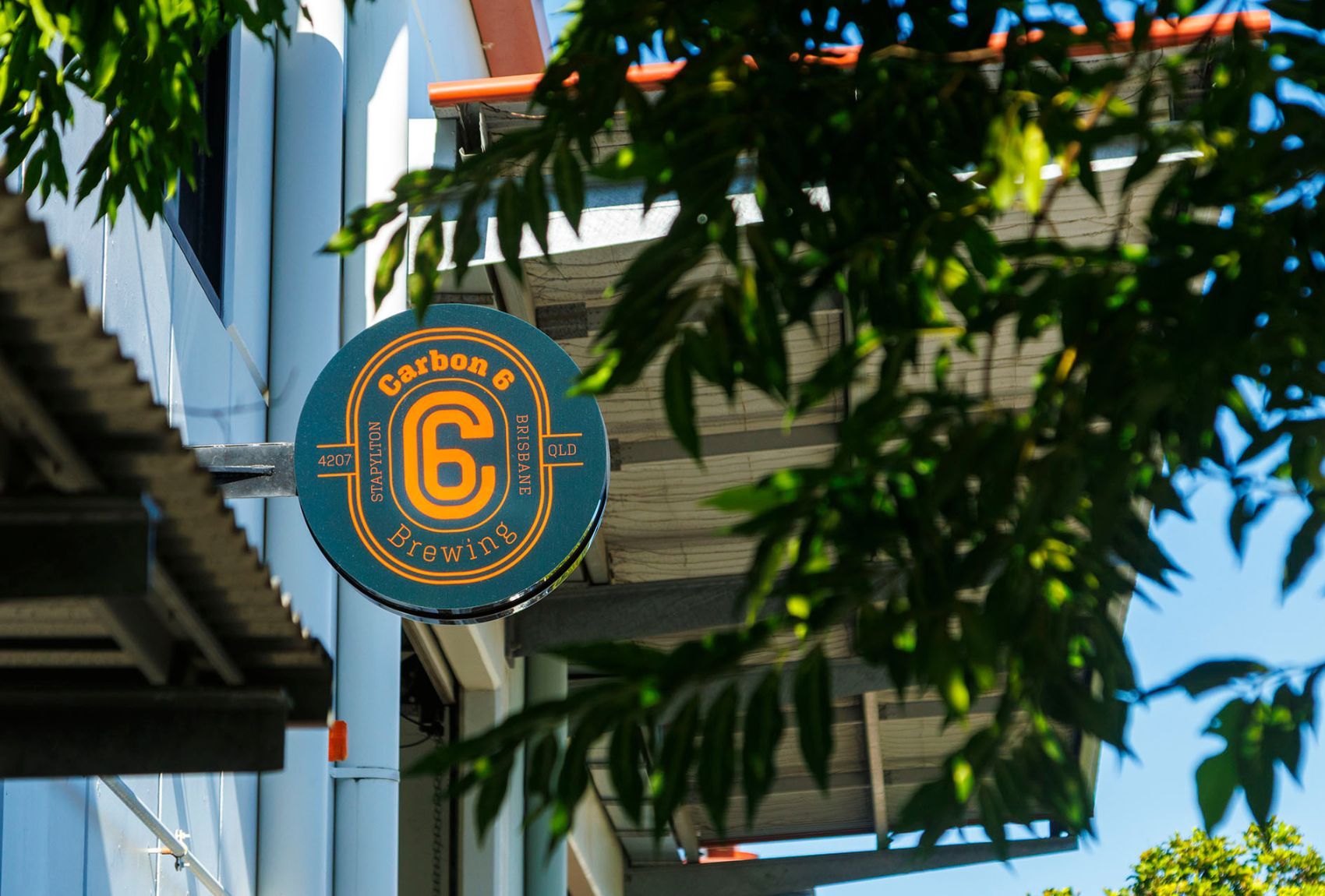
If you’re ready to try fresh independent beer from the northern Gold Coast, Carbon 6 Brewing Pty Ltd is a solid place to start. Have a look at the range, explore a mixed pack, or plan a visit and taste what local brewing tastes like close to the source.