
Profitable Patio Bar Menu for Breweries 2026
Jun 22, 2026
At 3 pm on a Gold Coast Saturday, the patio tells you everything. One table wants a crisp first beer that won't feel heavy in the heat. Another wants something local and interesting they can talk about without turning the order into a lecture. A bigger group is scanning the food menu for plates they can share without losing the flow of the afternoon.
That's why a strong patio bar menu can't be built like an indoor dining menu with a few beers bolted on. Outdoors, every choice gets judged faster. Sun, glare, wind, table space, melting garnish, warm plates, foamy pours, and distracted customers all shape what actually sells.
The emotional side matters just as much. Most craft beer drinkers aren't only buying a beverage. They're buying a feeling of discovery, a sense of belonging, and a venue they can proudly bring mates to. They want the comfort of a reliable favourite, but they also want one thing on the menu that makes the visit feel specific to this place, this day, and this patch of Queensland.
A profitable menu respects both sides. It gives guests an easy yes, then rewards curiosity.
Crafting the Perfect Patio Experience
A full patio doesn't happen because you've got tables outside. It happens because the menu matches the way people want to spend time outside. On the Gold Coast, that usually means relaxed sessions, share plates, cold drinks, and enough variety that no one in the group feels stranded between choices.
The shift to outdoor service isn't a fringe idea. A 2021 outside dining trend report found 56% of casual dining restaurants and 62% of fine dining restaurants had already expanded or adjusted to outdoor dining. That matters because once outdoor service becomes part of the operating model, the menu has to do more than look good. It has to move cleanly in an outdoor setting.
What people are really ordering for
A guest on a patio usually wants three things at once:
- Ease: They don't want a fiddly drink or a complicated plate that fights the weather.
- Connection: They want items that help the group settle in, share, and stay another round.
- Identity: They want to feel they picked a venue with personality, not a copy-and-paste drinks list.
That's why the best patio bar menus feel edited. They don't show off everything the venue can possibly make. They show what the venue can serve brilliantly outside.
A patio menu works when the guest can decide quickly, order confidently, and enjoy the product before heat or delay robs it of its best form.
Build for the setting, not the spreadsheet alone
Operators often focus first on margin. Fair enough. But margin without fit is fragile. Outdoor service introduces practical pressure from shade, weather protection, fire pits, games, and flexible seating, all noted in that same outside dining report. Those details push menus towards portable plates, cold drinks, and simpler service rhythms.
That doesn't mean the experience has to feel basic. It means every item should feel intentional.
If you're planning a bigger activation, pop-up event, or private outdoor function, looking at how others hire a cocktail bar can help clarify layout, traffic flow, and service style before you write the menu itself. Good patio operations start with how people gather, queue, sit, and reorder.
Curating Your Core Beer Selection
The tap list is the spine of the patio bar menu. If the beer selection feels confused, the whole venue feels confused. In outdoor trade, people make snap choices. They want one beer they instantly understand, one beer they're curious about, and enough range that a mixed group can all find their lane.
According to the Australian Bureau of Statistics apparent alcohol consumption release, Australians aged 15+ consumed an average of 8.9 litres of pure alcohol per person in 2022–23. For breweries and hospitality venues, that points to persistent demand across different drinking occasions, from lighter afternoon sessions to more flavour-led choices.

The Core Four that keeps a list balanced
I like a simple structure here. Four anchors are enough to give the menu shape without making the board messy in bright light.
| Beer role | What it does on a patio | Common mistake |
|---|---|---|
| Sessionable foundation | Gives cautious drinkers an easy first order | Making it bland instead of clean |
| XPA or pale ale middle ground | Bridges mainstream and craft | Writing tasting notes that are too technical |
| IPA or hop-forward feature | Gives enthusiasts a reason to engage | Letting bitterness dominate in hot weather |
| Wildcard rotating tap | Creates novelty and conversation | Rotating so fast staff can't explain it |
What each tap is really doing
The foundation beer is your pace-setter. It should be crisp, reliable, and easy to drink when the sun is still high. This is the beer that stops the first order from becoming a risk.
The crowd-pleasing pale or XPA usually carries the afternoon. It gives enough aroma and flavour to feel craft-led, but it won't punish someone who just wants something refreshing.
The IPA is there for identity. It tells the hop drinker you take beer seriously. But on a patio, restraint matters. If the beer drinks like a palate assault in the heat, people admire it more than they reorder it.
The wildcard tap keeps regulars engaged. Sour, stout, seasonal fruit beer, experimental hop bill, or a small-batch release. One slot is enough. More than that, and choice starts slowing service.
Write beer descriptions like a host, not a brewer
Most tasting notes fail because they read like production notes. The guest doesn't need the whole brew sheet. They need a reason to order.
Use language that answers these questions:
- How will it feel in this weather
- Is it easy or intense
- When would I drink it
- What food would suit it
That's also why educational content helps the team and the customer. A plain-language explainer on what craft beer is can support newer drinkers who want to understand the difference without being talked down to.
Practical rule: If a beer description can't help a guest choose in five seconds, it's too long.
A good example of patio-suited positioning is Elani - Single Hop Pale Ale 4.6% ABV 50L keg. The useful facts are straightforward: it's named after Elani hop, described as a refreshing pale ale with tropical notes, and presented as easy-drinking for warm days and social occasions. That's the kind of profile that makes sense outdoors because the language matches the drinking moment.
Don't forget the guest who isn't drinking alcohol
A serious patio beer list includes a proper non-alcoholic option. Not as a token. As a real choice with the same care in serve, glassware, and menu placement. Groups stay longer when everyone feels catered for, and a patio works best when the whole table can keep the same rhythm.
Smart Food Pairings for Sunny Afternoons
Patio food has to survive the walk from pass to table, hold up in the heat, and still make the beer taste better. That rules out a lot of dishes that look excellent on paper but arrive awkward, messy, or flat. Outdoor menus reward food that's shareable, fast to run, and easy to eat between conversation, sun, and another sip.
The best rule is the one-hand rule. If a guest can manage the food without turning the table into a project, the item has patio potential.
Food that earns its place
A patio bar menu usually performs better with a grazing style than a formal course structure. Think loaded chippies, sliders, flash-fried calamari, arancini, skewers, or a sharp little snack that sparks another round.
These dishes work for practical reasons:
- They travel well: Less collapse between kitchen and table.
- They encourage sharing: One order often leads to a second.
- They suit beer: Salt, crunch, spice, and char all give the drinks more to do.
That doesn't mean every item should be fried. Freshness matters on the coast. But freshness still needs structure. A dish can be bright and light without being delicate to the point of failure.
Pair by effect, not by rigid rules
Staff don't need a sommelier speech. They need a few pairing principles they can use naturally.
- Hoppy beers cut through richness: Good for burgers, fried food, mayo-based sauces, and spicy toppings.
- Crisp lighter beers calm heat: Better with chilli, seafood, herbs, and salty snacks.
- Maltier beers suit caramelised flavours: Think barbecue glaze, roasted edges, and sweeter sauces.
- Acidic or tart beers lift heavier bites: Useful with fatty dishes and creamy textures.
A practical venue guide such as the ultimate beer and burger pairing guide can give staff shorthand language they can use on shift.
Good pairings don't feel clever. They feel obvious once the guest tastes them together.
What works better than a huge menu
A shorter, sharper food list often beats a sprawling one outside. Too many dishes slow the kitchen, stretch prep, and make ordering harder for groups. A tighter menu lets the team execute cleaner and keeps plate quality more consistent during peak trade.
Try framing the offer around use cases rather than kitchen sections:
| Guest moment | Better patio choice | Why it works |
|---|---|---|
| First round snack | Seasoned chips, nuts, olives, breaded bites | Fast to serve, starts the session |
| Shared middle | Sliders, calamari, wings, arancini | Easy for groups, pushes another drink |
| Stay-a-bit-longer plate | Burger, loaded fries, larger seafood share | Holds people in venue without going too formal |
Keep one surprise on the list
People love familiarity, but they remember one left-field hit. That might be a stout pairing that works in warm weather because the food carries smoky or salty-sweet notes. It might be a tropical pale ale with a spicy seafood snack. The point isn't novelty for its own sake. It's giving the customer one moment they'll talk about later.
That's how a patio menu becomes part of the venue's identity rather than just fuel for the afternoon.
Pricing Strategy and Menu Design
A patio menu lives in rough conditions. Bright sun, reflective tables, wet glasses, wind, and distracted customers all punish poor design. If the menu is hard to read, your best products disappear. If the pricing looks muddled, guests pull back, ask more questions, and slow the whole service line.

Make the menu readable in full daylight
Outdoor design starts with legibility. Use strong contrast, simple type, and clear grouping. Don't ask people to decode tiny tasting notes while they're squinting into afternoon glare.
A patio menu needs these basics:
- High contrast text: Dark text on a light background usually reads best outdoors.
- Short category blocks: Beer, wine, low and no alcohol, snacks, share plates.
- Tight descriptions: Enough to guide, not enough to clutter.
- Durable format: Laminated sheets, weather-safe boards, or stable digital access.
This short video gives a useful overview of menu psychology and placement before you adapt it for an outdoor setting.
Use structure to guide the order
Guests rarely read top to bottom in a disciplined way. Their eyes jump. So place your highest-value and most patio-suitable items where attention lands first. That usually means prominent top placement within each category, not hiding your hero beer halfway down a long list.
For operators who want a deeper commercial framework, this guide to mastering restaurant pricing is useful because it focuses on how menu structure affects perceived value, not just what number to print beside a product.
Price for rhythm, not just margin
Outdoors, the best pricing strategy supports the flow of the session. Guests often start lighter, then branch out once they're settled. Pour sizes and bundles should help that pattern, not fight it.
Consider this approach:
-
Entry point serve
A smaller pour lets a cautious guest commit without much friction. -
Standard social serve
This is the default order for most of the afternoon and should feel like the clearest value. -
Tasting format
Flights or paddles work when they're curated, not bloated. Too many choices create homework. -
Food and drink combinations
Pairings can introduce exploration, but they need to be easy to explain and simple to fulfil.
Keep ABAC and responsible service front and centre
Pricing language matters in alcohol marketing. So does the tone of the whole menu. Keep the copy focused on flavour, craftsmanship, place, and food compatibility. Avoid language that treats rapid consumption, intoxication, or social status as the reward.
A premium venue doesn't need aggressive alcohol language. Calm, clear descriptions usually sell better anyway.
That same discipline should carry into chalkboards, digital promos, and table talkers. If the menu promises one style of service and the signage pushes another, guests notice the mismatch immediately.
Keeping Your Menu Fresh and Exciting
Regulars don't come back for a static list alone. They come back because the venue gives them a reason to check in again. In a craft-led setting, novelty has real value, but only when it's controlled. A patio menu should evolve often enough to feel alive, without turning service into chaos.
That matters even more in Queensland, where outdoor trade isn't a short seasonal window for many venues. A 2021 outside dining trend report noted that 56% of Australian casual dining restaurants had already expanded their outdoor dining. For a brewery patio, that makes weather-aware, fast-moving, shareable offers a core operating strategy rather than an occasional add-on.
Freshness creates a reason to visit now
There's a real emotional driver behind limited releases. People like discovering something before it disappears. They like being the mate who says, “You've got to try this one while it's on.” That's not about manipulation. It's about giving your most engaged customers something timely and local.
A rotating menu works best when each new item answers one of these prompts:
- What suits the weather right now
- What ingredient is at its best locally
- What beer style gives regulars a new angle
- What can the team explain without friction
Rotate with discipline
The worst menu refresh is the one that excites the brewer and punishes the floor staff. If every week brings a new beer, a new food special, a new garnish, and a new service script, consistency falls apart.
A calmer structure tends to hold:
| Rotation layer | How often to change | Why it works |
|---|---|---|
| Core beers | Rarely | Builds trust and repeat ordering |
| Seasonal tap | Regularly | Keeps explorers interested |
| Limited food special | Selectively | Adds urgency without crowding the kitchen |
| Local feature | When supply and quality align | Strengthens place and story |
Tie novelty to the region
On the Gold Coast, the easiest mistake is copying a generic “summer menu” template. Better to build around the actual mood of your venue and the ingredients your guests associate with this part of Australia. Tropical fruit notes make sense here. Fresh seafood pairings make sense here. A breezy afternoon beer with a local angle makes sense here.
That local connection matters emotionally. People who support independent breweries often want more than taste. They want a sense that the venue belongs to the area and reflects it authentically.
Limited releases work best when they feel rooted in the venue, not borrowed from someone else's trend cycle.
Label specials clearly
“Brewer's Special”, “This Week on Tap”, and “Limited Release” all work when the offer is genuine and the staff can explain it quickly. Keep the wording plain. Add one flavour cue, one reason to care, and one food suggestion if it fits.
The point isn't to turn the menu into a hype board. It's to create small sparks of interest that keep the patio feeling current.
Service Compliance and Final Touches
A polished patio bar menu still fails if the team can't carry it. Service is where the strategy becomes real. The staff member taking the order needs enough product knowledge to guide without lecturing, enough awareness to read the guest, and enough discipline to keep service compliant and calm under pressure.

A major blind spot in patio planning is heat. This matters in Australia, where outdoor service can become punishing quickly. A successful menu needs to account for that by favouring lighter ABV drinks, heat-stable garnishes, and faster-turnover items that don't lose quality in hot conditions, as discussed in this article on patio service and heat-related menu realities.
Train the team on decisions, not scripts
Staff training should cover more than product facts. They need to know how to help a guest choose based on mood, weather, appetite, and pace.
Focus on these practical habits:
- Ask orienting questions: “After something crisp?” works better than a full beer monologue.
- Recommend within the moment: Mid-afternoon sun calls for a different lead than a late evening session.
- Know the food bridges: Staff should have two or three reliable pairing suggestions ready at all times.
- Spot service risks early: Heat, dehydration, delayed food, and stronger pours can change guest behaviour quickly.
If you want a broader venue-management lens beyond the menu itself, 10Seat's operations insights offer useful prompts around floor execution, team habits, and day-to-day restaurant discipline.
Cover the compliance essentials
For Queensland venues, liquor licensing rules, RSA obligations, and outdoor service conditions aren't background admin. They shape how the patio runs every day. A practical starting point is this guide on how to obtain a Queensland liquor licence, especially for understanding the licensing context around service.
Keep the compliance checklist simple and visible:
-
RSA is active on every shift
Responsible service isn't only for late-night trade. -
ABAC principles guide all alcohol messaging
Menu wording, social posts, and in-venue signage should all align. -
Outdoor service boundaries are clear
Staff should know exactly where alcohol can be taken and consumed. -
Glassware and garnish standards are realistic
If a garnish can't survive the patio, remove it.
Make digital ordering support the experience
QR menus can work brilliantly on a patio when they complement service rather than replacing hospitality. They help with glare-resistant reading, live updates, and quick reorders, but they shouldn't leave guests stranded. The best setup gives people both options: scan if they want speed, ask staff if they want guidance.
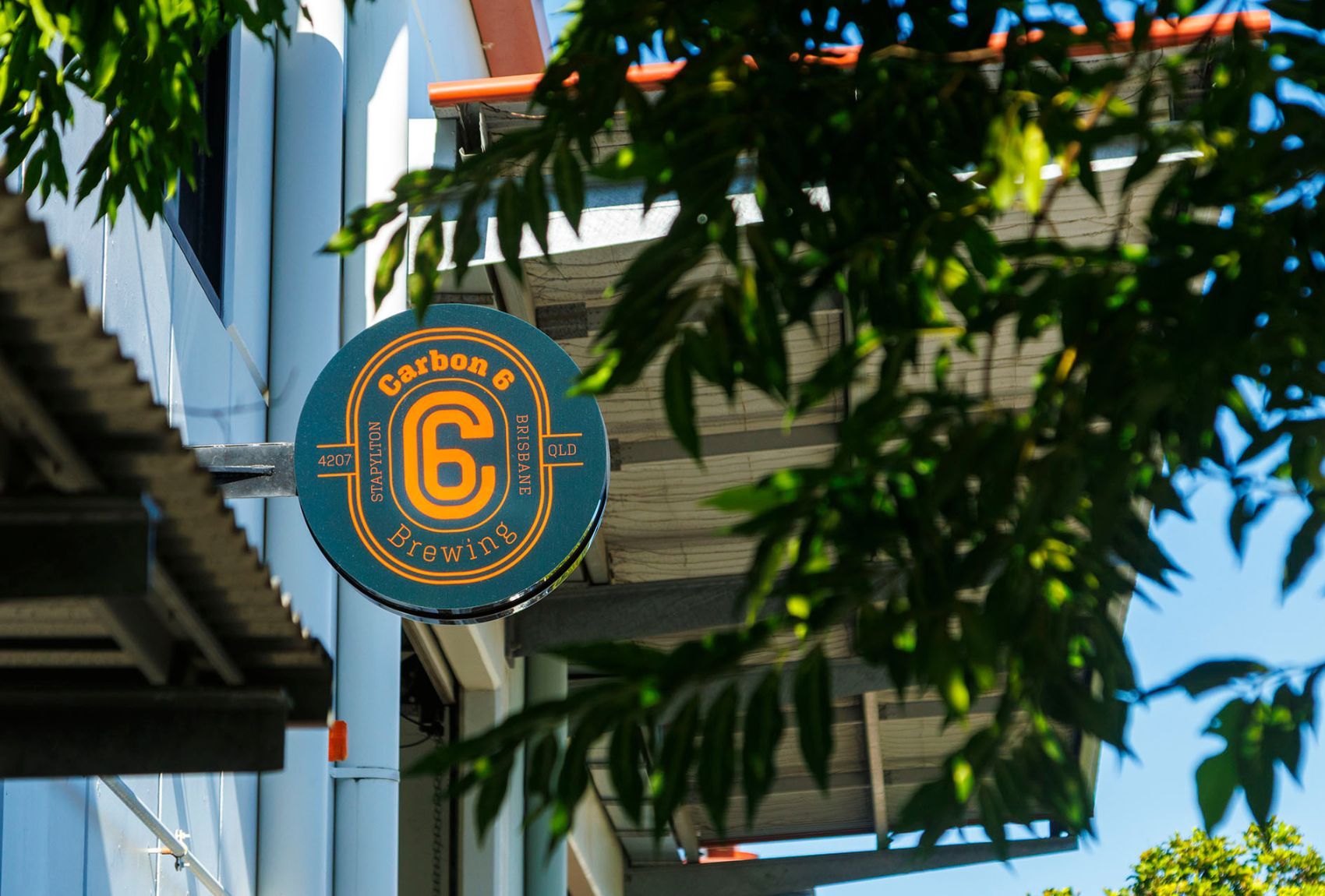
One mention is enough here: Carbon 6 Brewing Pty Ltd sits in a useful part of this conversation because it operates in independent craft brewing with both direct-to-consumer e-commerce and local wholesale distribution in Australia. That kind of dual focus reflects where many modern venues are headed, with physical hospitality supported by digital convenience.
Clean patio service feels effortless to the guest because the team has already solved the friction points backstage.
The final touch is consistency. Same menu language, same serve standard, same calm confidence from the team. That's what turns a decent patio into a venue people remember.
If you're building a patio bar menu that feels right for Queensland conditions and craft beer drinkers who value flavour, local identity, and a relaxed session done properly, Carbon 6 Brewing Pty Ltd is worth a look. Explore the brewery's range, learn more about its approach, and use those ideas to shape a patio experience that's practical, distinctive, and built for the Gold Coast way of drinking.