
Brewery Road Trip: Planning the Ultimate Gold Coast Craft
Aug 22, 2026
You've got a free Saturday, a car full of mates and a group chat full of conflicting opinions. One person wants to chase hazy IPAs, another wants lunch in the hinterland, and someone has suggested driving until a taproom looks busy. That last option is how a promising brewery road trip turns into missed cellar doors, warm cans and an awkward argument about who's safe to drive home.
The fix is simple. Choose a compact route, book the stops that need booking, decide how everyone's getting home and treat every brewery as part of the day, not just somewhere to grab a drink. Southeast Queensland rewards that approach, especially if you're keen to find independent brewers rather than spend the afternoon in predictable tourist traffic.
Why a Gold Coast Brewery Road Trip Hits Different
By late morning, the car is packed with hats, water bottles and a cooler. The first stop is lively, the second has a beer you've never tried, and the route between them takes you away from the Gold Coast's familiar strip and towards quieter industrial pockets, farm roads and hinterland scenery. That change of pace is the appeal. You're not just visiting taprooms. You're building a day around discovery.
Australia's appetite for brewery tourism backs that feeling. Around 3.1 million trips in 2024 included a brewery visit, generating $4.4 billion for the visitor economy, and 76% of those trips went to regional Australia, according to Tourism Research Australia's brewery visitation factsheet. About 63% of brewery-visiting trips were taken by travellers aged 25 to 54, a useful match for the adult craft-beer crowd travelling around Queensland and the Gold Coast.

The emotional payoff is more than the beer
A good road trip gives people a reason to get out of their usual routine. You get the freedom of the open road, the small thrill of finding a new favourite pour and the satisfaction of spending your money with local operators. Independent brewers also give you a stronger sense of place than a generic bar does. The beer reflects the people making it, the venue's neighbourhood and the community around it.
Local provenance matters to this audience. An independent brewers consumer polling summary reports that a significant majority of Australians and craft beer drinkers want to support local, independent businesses rather than multinational brands, as outlined in the Independent Brewers Association consumer insights summary. That makes supporting local, freshness, quality and award recognition more powerful motivations than chasing the cheapest option.
Planning removes the three common anxieties
Don't hesitate because you dislike brewery trips. The logistics can feel messy, so planning is key.
- Transport: Nobody wants to nominate a driver after the first tasting.
- Quality control: A long drive to a mediocre venue wastes the day.
- Opening hours: Independent cellar doors can operate on limited schedules, and a closed door is a poor reward for a scenic drive.
Planning solves all three. It lets you group nearby breweries, confirm food and seating, and choose transport before anyone has a glass in hand. Brewery tourism has also become a higher-value travel category. Deloitte's industry reporting recorded 1.5 million overnight trips involving a brewery visit in 2019, up 41% from 2018, while broader trips involving wineries, breweries, distilleries or farmgates reached 5.7 million, with average spending of $1,028 per trip and $303 per night, according to the Deloitte alcohol beverages industry report.
Practical rule: Build the day around the people, the transport and the route first. Choose the beer stops second.
Choosing Your Route and Timing the Drive
The Gold Coast is not one neat brewery strip. It's a spread of northern industrial areas, coastal suburbs, hinterland pockets and longer drives towards the Scenic Rim. Treating the whole region as one crawl is a rookie mistake. Your aim is to create a clustered route, not collect venues like points on a map.
Start with a geographic cluster
Use one of these route shapes:
- Northern Gold Coast corridor: Begin around Stapylton and nearby northern suburbs, then add venues that sit naturally along the same direction of travel. This suits locals who want a manageable outing without committing to a hinterland expedition.
- Hinterland loop: Pair brewery visits with a slower drive through the foothills and villages. Allow more time between stops, because the appeal is the natural scenery as much as the taproom.
- Southern and Scenic Rim drive: Make this a destination day or an overnight trip. The route can be excellent, but it's a poor choice if your group wants several close-together tastings.
The Aussie brewery tours guide is useful for broad inspiration, but check each venue's own opening hours before locking in your itinerary.

Choose timing that matches the venue
Many independent breweries concentrate cellar-door operations into the busier part of the week, so confirm hours directly rather than relying on an old listing. Popular taprooms can also fill quickly on Saturday afternoons. If a tasting, tour or table matters, book it. If it doesn't, arrive earlier and keep a second venue in reserve.
Seasonal releases can influence the route, but don't let a launch dictate unsafe travel. A fresh release is a reason to visit, not a reason to rush between venues. Queensland heat also changes the practical side of the trip. Keep the car comfortable, carry water and protect purchased beer from direct sun.
Set a realistic stop count
Two or three carefully chosen stops usually make a better day than a frantic list of six. Add time for lunch, parking, conversation and the possibility that one venue is too good to leave quickly. Keep a backup option in the same geographic area, not on the other side of the region.
For beer you want to explore at home, the Mixed 16-Pack contains sixteen 440mL cans across a hand-picked selection, including Cardinal Red IPA, with a substitute possible if a particular can is unavailable. It's a practical way to sample styles after the drive, but check the product page for current details before ordering.
Building an Itinerary That Actually Works
The right itinerary depends on your available time and your group's appetite for driving, not on how many brewery pins you can save. A half-day outing should feel easy. A full day needs a proper meal and breathing room. A multi-day trip should make the drive part of the experience rather than an obstacle between tastings.
Three workable formats
| Format | Duration | Stops | Best For | Key Trade-off |
|---|---|---|---|---|
| Half-day sprint | Half a day | 2 to 3 nearby breweries | Locals wanting a casual arvo out | Less geographic variety |
| Full-day deep dive | One day | 4 to 5 stops | Visitors with one free day | Requires firm transport and meal planning |
| Multi-day expedition | Long weekend | Spread across several days | Travellers adding hinterland detours and accommodation | Costs more and needs more coordination |
The half-day sprint is the safest format for a spontaneous group. Pick one cluster, book the first stop if necessary and leave the rest flexible. Two solid venues with time to talk will beat three rushed tastings where everyone keeps checking the clock.
The full-day deep dive works when your group wants variety. Start with the venue that has the most fixed booking, place lunch after the middle stop and keep the final visit close to your accommodation or transport pickup. Don't schedule every minute. You need buffer time for parking, food queues, a slow conversation with staff or an unexpected beer worth trying.
The multi-day expedition suits visitors who want the Scenic Rim or hinterland to feature properly. Stay near the area rather than repeatedly returning to the coast, and separate driving days from tasting-heavy days where possible. That lets you enjoy the scenery without turning every leg into a race.
The best itinerary leaves room for one unplanned discovery.
A backup plan should include more than a second brewery. Save a nearby restaurant, bottle shop or scenic stop, and check whether your transport provider can adjust the pickup location. If a cellar door closes unexpectedly, don't punish the rest of the group with a long detour. Move on, eat well and keep the day enjoyable.
Booking Tastings and Sorting Responsible Transport
A brewery road trip becomes stressful when the group discusses transport only after the first round. Sort that decision before departure. Queensland drink-driving rules apply regardless of whether you've had a full pint or a couple of tasting pours, and people often underestimate how quickly alcohol affects their ability to drive.
Book the parts that can sell out
Contact each brewery and ask direct questions:
- Group size: Can the venue seat your party together, and does it cap tasting groups?
- Reservations: Do tours, flights or cellar-door tables require advance booking?
- Food: Is there a kitchen, food truck, or permission to bring outside food?
- Outdoor setup: Can the group sit outside, and are eskies or personal drinks prohibited?
- Timing: How long should you allow for the tasting, tour and purchase?
Confirm the details the day before. Independent venues can change hours for events, production work or private functions. Don't assume a social post from months ago is still current.

Pick a transport model before anyone drinks
You've got several responsible options:
- Private driver or minibus: Best for a larger group that wants door-to-door movement between clusters.
- Ride-share services: Useful between close venues, but confirm coverage and pickup reliability before relying on them in outer areas.
- Organised craft beer tour: Convenient when you want someone else to manage the route and driving.
- Designated driver: Works only when that person fully commits to drinking nothing and keeps the role for the whole outing.
- Overnight stay: The cleanest option for a longer hinterland route, particularly when public transport is limited.
Don't rotate the driver casually. The person who “only had a few sips” still needs to make a lawful and safe decision, and fatigue can compound the problem on the drive home.
Treat social sharing as regulated marketing
ABAC applies to marketing communications generated by or within the reasonable control of a marketer. That includes brand advertising, competitions, digital communications, packaging, advertorials, retailer advertising and marketing collateral, as set out in the ABAC Responsible Alcohol Marketing Code.
If a brewery reposts or promotes your content, the brand should review it as alcohol marketing, not ordinary personal chatter. Queensland guidance prohibits showing or encouraging excessive or rapid consumption, irresponsible behaviour, or alcohol use before or during risky activities such as driving, boating, machinery use or swimming. It also prohibits depicting people under 25 and requires marketing not to appeal strongly to minors, according to Queensland Government alcohol advertising guidance.
Digital posts need adult controls too. ABAC's 2024 information sheet names Facebook, Instagram and YouTube as examples where alcohol companies must apply age gating, directs alcohol advertising to adult audiences and says the audience must be at least 80% adult, as explained in ABAC's digital and social media information sheet.
Packing Smart and Getting Beer Home Safely
Beer storage is where an otherwise good road trip can fall apart. A carton left in a hot boot is not a souvenir. It's a slow way to lose the freshness you paid for, especially with hop-driven styles that depend on careful handling.
Pack an insulated bag or quality esky before you leave, not after the first purchase. Add ice or properly frozen packs, keep the lid closed between stops and separate cans from loose food that can leak. The car should carry water, sunscreen, hats and comfortable shoes as well. Brewery tours often involve concrete floors and production areas, so thongs aren't always the smartest choice.

Keep purchases cold and stable
Use the esky for beer as soon as you buy it. Don't leave cans in a parked car while the group heads inside for lunch, and don't assume the boot stays cool because the air conditioning is running at the front. Park in shade where possible, keep the cooler upright and avoid repeatedly opening it to admire your haul.
A portable phone charger matters more than people expect. Navigation, venue research and photographs can drain a phone, especially in hinterland areas where reception may be patchy and the handset works harder to find a signal.
Ship the overflow instead of cramming the car
The smartest buying strategy is to separate discovery from transport. Buy a manageable amount at the venue, then order mixed packs or cartons from the brewery's direct-to-consumer store when you've found a beer you want to revisit. That keeps the car organised and avoids squeezing extra boxes beside hot luggage.
A brewery's online delivery terms, dispatch schedule and Queensland coverage can change, so check the current product and shipping information at checkout. Direct ordering is particularly useful for visitors who've driven a long route and don't want to spend the return trip protecting a large purchase.
For a practical guide to carrying beer during a day out, use Carbon 6's beer bag and cooler guide. The principle is straightforward. Keep the beer cool, secure the cans, and never leave alcohol unattended in a hot vehicle.
Independent Brewery Highlights Worth the Drive
The best stops have a point of view. They aren't interchangeable rooms with taps on a wall. Look for independent operators with a clear brewing identity, a cellar door that feels connected to the production site and staff who can explain what's pouring without turning the conversation into a hard sell.
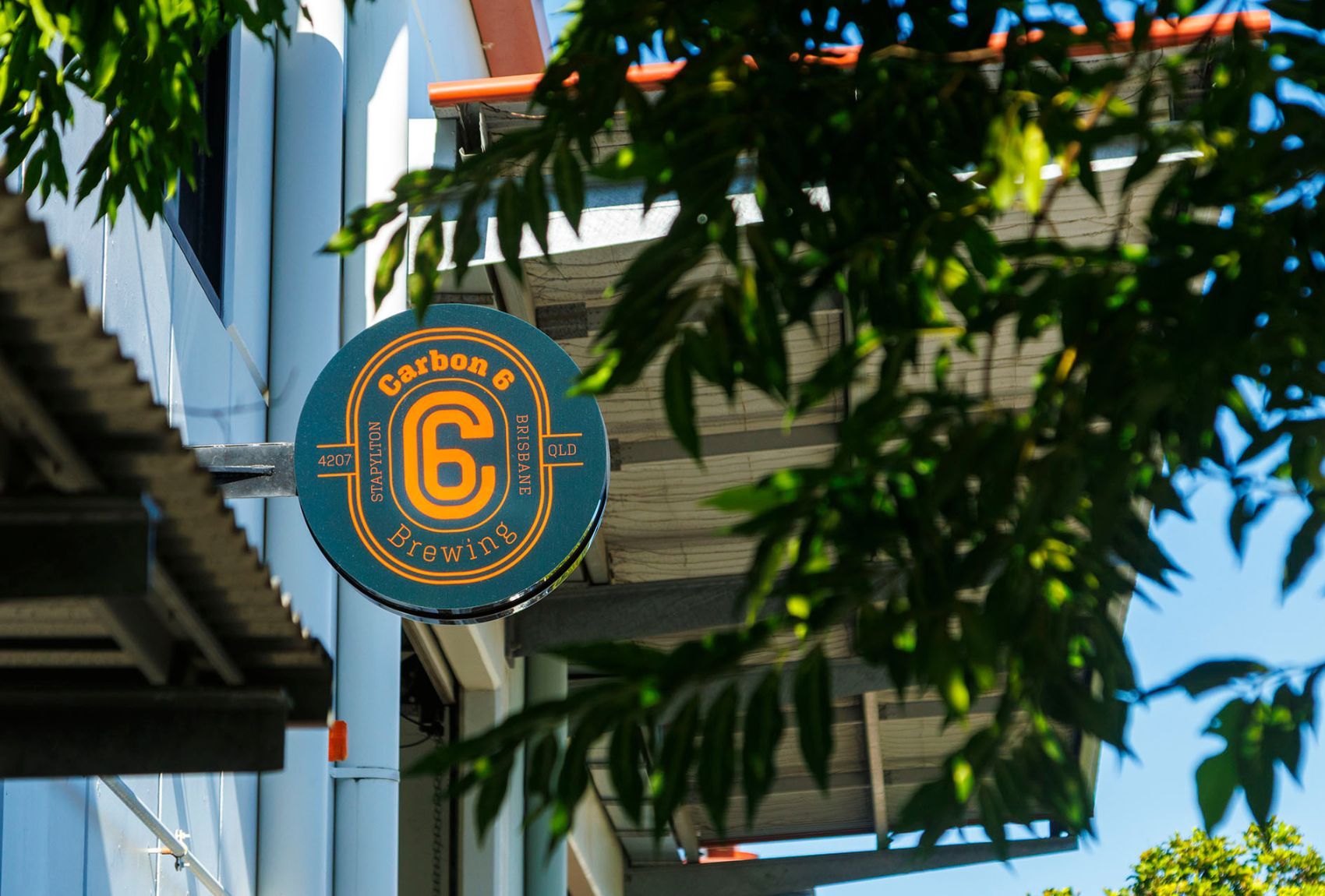
Carbon 6 Brewing in Stapylton is a sensible northern starting point for that reason. Its location suits a route that begins on the northern Gold Coast, and the taproom gives visitors a direct way to explore the brewery's range before deciding what deserves space in the esky. The brewery also operates a direct-to-consumer online store, which gives travellers a way to order further cartons or packs after returning home.
The Gold Coast brewery guide from Carbon 6 can help you shape a wider route, but don't treat any list as a substitute for checking current hours and venue conditions. A strong itinerary mixes different experiences, perhaps a production-focused taproom, a relaxed outdoor venue and a hinterland stop where lunch carries as much weight as the tasting board.
How to spot genuine independence
The Independent Brewers Association seal is a useful signpost when you're trying to distinguish independent craft operators from multinational-owned brands using craft language. It won't tell you whether you'll like every beer, but it helps you identify businesses that fit the local, independent brief.
Judge the stop on more than the beer list:
- Provenance: Can staff explain where the beer is made and what the brewery contributes locally?
- Freshness: Are cans handled carefully, and does the venue communicate release information clearly?
- Character: Does the taproom feel like a working brewery rather than a generic tourist attraction?
- Value beyond price: Is the experience, quality and connection worth more than choosing the cheapest drink?
If your group wants a driver-managed premium outing, Max's Luxury Rides wine transport is another transport resource worth investigating before committing to a longer route. The important question isn't whether a venue looks fashionable online. It's whether the stop earns its place through beer, hospitality and a route that makes sense.
Your Pre-Trip Checklist and Final Tips
Save this list before you leave:
- Confirm hours: Check every cellar door and booking the day before.
- Lock in transport: Choose a private driver, ride-share plan, tour, designated driver or accommodation.
- Pack cooling gear: Bring an esky or insulated bags, ice, water and a way to secure cans.
- Prepare navigation: Download offline maps for hinterland roads with unreliable reception.
- Charge devices: Pack a portable phone charger for maps and emergency calls.
- Ask about food: Confirm whether outside food is allowed before opening an esky at a venue.
- Respect the space: Independent breweries may have limited seating, so follow staff directions and tip cellar-door staff when appropriate.
The reward is finding a beer you wouldn't have picked from a supermarket shelf, tasting it near the tanks and chatting with the people who made it. Plan responsibly, leave room for a surprise and remember that a small brewery deserves the same patience you'd give any local business.
Carbon 6 Brewing Pty Ltd offers a Stapylton taproom experience alongside direct-to-consumer beer ordering for customers who want to continue their brewery road trip discoveries at home. Visit Carbon 6 Brewing Pty Ltd to check the current range, plan your northern Gold Coast stop and organise your next order responsibly.