Beer Tasting Brisbane: How to Taste and What to Try
Nov 20, 2026
Side-by-side tasting is the fastest way to work out what you like in beer. Start with a light lager, then move through a hazy style, a red IPA and a mixed pack. The comparison does the work. Fancy language can stay at the bar.
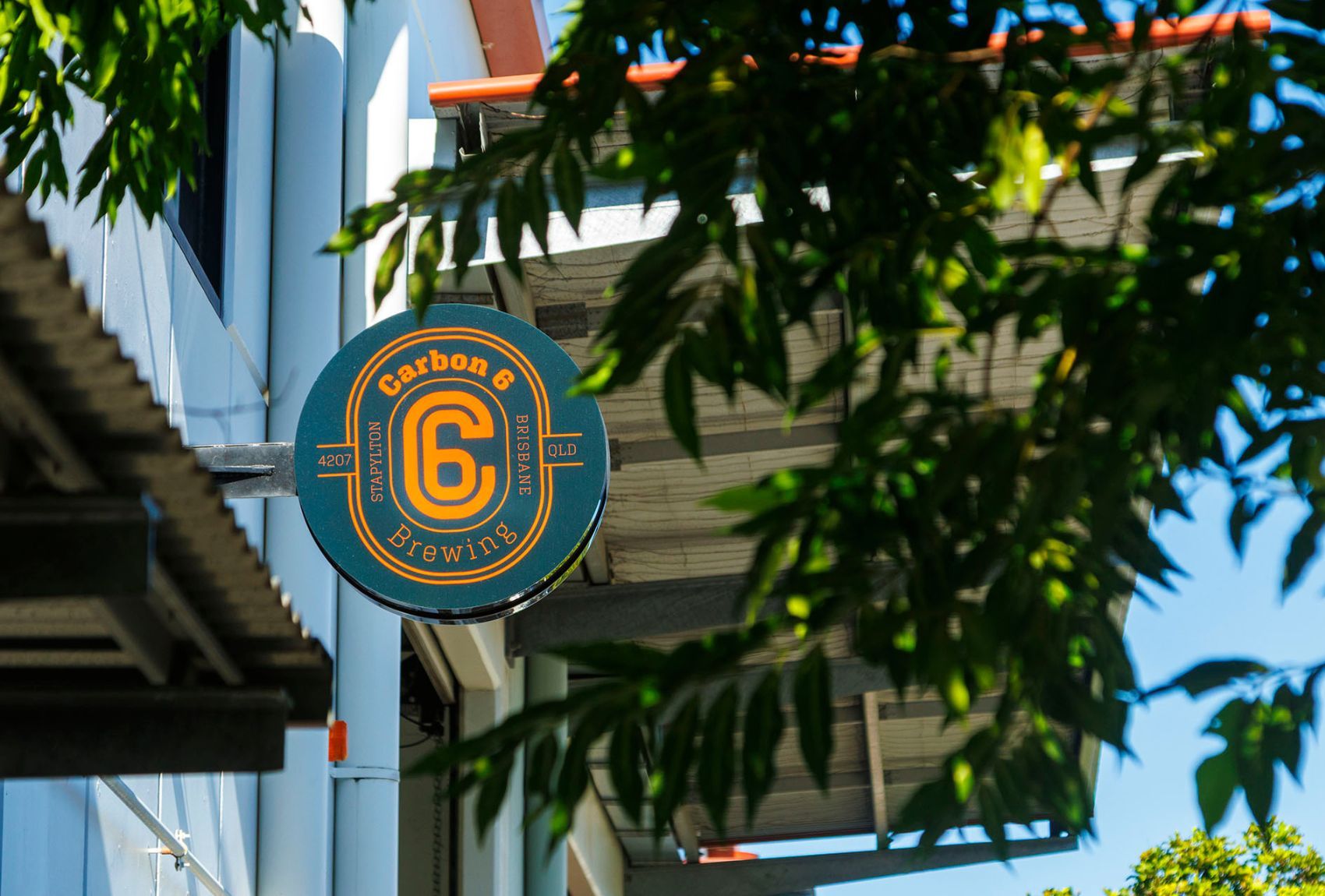
Carbon 6's taproom is at Shed 8, 38 Eastern Service Road, Stapylton, between Brisbane and the Gold Coast. Stapylton is a drive north of Brisbane's inner suburbs, roughly between Brisbane and the Gold Coast. Plan the tasting in Brisbane, then either make the trip or build the lineup at home with cans. That matters if you want a structured comparison without turning the afternoon into a cross-city pub crawl.
Keep standard drinks, not glass count, in mind. The Australian Government's standard-drinks guide explains that a standard drink contains 10 grams of alcohol, and that 285 ml of beer at 4.8% ABV contains approximately 1.1 standard drinks. Small pours are useful here. They keep your palate fresh and make the numbers easier to manage.
The wider point is simple: useful comparisons beat collecting place names. Readers who enjoy regional breweries and small-batch brewers can still apply the same method at home, with the same glassware and the same attention to style, strength and freshness.
1. Is a mixed pack the best place to start?
The Mixed 16-Pack is the practical starting point if you don't yet know which styles you prefer. The box spans crisp lagers, hazy IPAs, fruited sours and seasonal drops, so you get several flavour directions without committing a whole purchase to a beer you haven't tasted.

Breadth is the advantage. The trade-off is that the assortment can change when a beer is unavailable, so substitutions make this a discovery option. If your tasting depends on an exact set of beers, check what's inside before you plan the session around it.
How to turn an assortment into a useful tasting
Opening everything because it arrived together is the common mistake. Choose a modest selection with clear differences, leave the rest unopened, and share small samples among participating adults. A mixed pack covers several occasions this way, and a single session only needs the few cans that give you a useful comparison.
Use clean, similar glasses and keep the cans beside them so nobody has to remember which beer is which. A measuring jug helps you serve consistent samples, while the can's standard-drink information helps you track the alcohol in each pour.
- Start with contrast. Choose a crisp lager, a hazy style and a maltier or more bitter beer rather than several near-identical options.
- Write ordinary words. Record citrus, toast, sweetness or dry finish if that's what you notice. Nobody needs a dissertation on a grapefruit's childhood.
- Separate preference from intensity. Flavour strength and quality are two different judgements, so score them that way.
- Keep water and alcohol-free choices available. Participation shouldn't depend on drinking every sample.
Our guide to mixed beer packs in Australia is useful when deciding whether variety or a familiar favourite makes the better purchase. If you already know exactly which beer you want, or you need a guaranteed lineup for a particular date, skip the assortment and buy the style direct.
2. What does Cardinal Red IPA add to a tasting?
Cardinal Red IPA comes in a 440 ml can at 6% ABV, and its job in the lineup is specific: put malt weight and hop bite in the same glass.

If you found it under a BAR listing or the standard catalogue entry, count it once. Treat it as the malt-and-hop comparison, the slot that shows whether extra richness makes bitterness more interesting to you or makes the finish longer.
That is a sharper question than “do I like IPAs?”, a category that can cover very different beers.
Taste the malt before judging the hops
Look at the colour, smell the beer, then take a small sip and track what changes after the swallow. First ask what arrives up front; then ask whether malt richness rounds the bitterness off or lets it hang around.
Run it beside the lager. Does the body seem fuller, does the finish stay longer, and which one would you reach for when you want a second glass?
A useful note can be as plain as “malt first, bitter finish” or “hops win”. The question that earns its place in the notebook is whether that push and pull made you want another sip.
Our red India pale ale guide gives more context for that malt depth and hop character.
The honest trade-off: choose it when assertive hops appeal but a lean pale feels thin. Skip it as your opener if lingering bitterness tires you out or you want the cleanest baseline first.
Equal-looking samples can carry different alcohol. Count tasting pours and later drinks in the same total. The Healthdirect alcohol guidance recommends healthy adults consume no more than 10 standard drinks a week and no more than 4 on any day; treat that as a ceiling for the day, not a target to hit.
3. Why start with Carbon Dry Lager?
A restrained beer earns its place at the front of the order. Carbon Dry Lager is described as light, crisp and easy-drinking, and one drinker calls the lager "very easy to drink, not overly bitter and really well balanced." That combination makes it a clean reference point for a side-by-side tasting.

Start with it because a quieter beer gives you a baseline before bigger flavours arrive. Light is a flavour description here; the alcohol content is printed on the can, same as every other beer in the lineup.
Lager also tends to get skipped past, treated as the warm-up act before the interesting beers. Pay attention to it first and you'll have a clearer basis for describing what changes in the later samples.
Use the lager to learn your preferences
Take a small smell before sipping, then notice the finish. Does it seem dry, softly malty, clean or lingering to you?
There's no prescribed flavour to find. The useful result is recognising whether you prefer a crisp, restrained beer or want more aroma, bitterness or malt weight.
The practical details are simple. Use a clean glass, because detergent residue and kitchen odours aren't tasting notes. Keep serving conditions comparable, since a freshly chilled lager measured against a beer sitting warm beside the barbecue tells you about temperature, not taste. And taste before eating, because chilli, smoke and heavy sauces will flatten the finer points.
If you're reading about how to frost beer mugs, keep presentation separate from assessment. For a side-by-side comparison, I'd use ordinary clean glasses rather than give one beer a different glass treatment.
Our Australian craft lager guide offers more background if this turns out to be your preferred direction.
Someone chasing bold hop aroma or heavy malt will get more from the later samples, and that's fine. There's no need to graduate out of lager; deciding you prefer it is a perfectly useful tasting result.
4. Where does Gravity Joose fit?
Gravity Joose gives the tasting its hazy-style sample. Treat haze as an appearance cue, not a flavour contract: it can suggest softness, yet appearance alone will not tell you sweetness, bitterness or strength. Read the can for ABV and standard drinks before it goes into the lineup.

Pour it after the lager, then check its finish against the red IPA. If the hazy beer lands bigger than expected, swap the order around. A side-by-side tasting should reveal preference; the style ladder is only a starting order.
Compare aroma, texture and finish separately
Smell the glass before deciding what the beer tastes like. Then judge mouthfeel and bitterness as separate observations, because “juicy” is a shortcut that can hide a dry finish or a firmer bitter edge.
You might like the aroma and still reach for the lager's cleaner finish. You might enjoy the hazy beer's texture while preferring the red IPA's malt weight. Splitting the glass into aroma, texture and finish stops one loud first impression from grading the whole flight.
If the tasting is happening in Brisbane rather than at the Stapylton taproom, a staffed venue can earn its keep here. The Australian responsible-service training requirements cover preparing brewery samples appropriately, explaining beer strengths and standard drinks, and refusing service that encourages rapid or excessive consumption.
That separates guided tasting from ordering another round: a good host keeps pours measured while helping you name what changed between samples.
How the Carbon 6 tasting picks compare
Pour in the order the table lists: the lager sets your baseline, the hazy and the red IPA carry the main comparison, and the mixed pack covers whatever those three leave out.
| Pick | Style | ABV as listed | Where it fits in the lineup |
|---|---|---|---|
| Carbon Dry Lager (Crisp & Refreshing) | Dry lager | 4.6% | First pour, and palate resets between bolder beers |
| Gravity Joose | Hazy IPA | Check the can | Second pour, for softer texture and juicier character |
| Cardinal Red IPA 440ml can | Red IPA | 6% | Third pour, where rich malt meets firm hop bitterness |
| Mixed 16-Pack | Crisp lagers, hazy IPAs, fruited sours and seasonal drops | Check each can | A second round once the main comparison is done |
The mixed pack overlaps the styles above rather than adding a separate slot, so treat it as a refill. Leave the aroma-wheel vocabulary to the back label.
Where Carbon 6 Fits in Your Next Tasting
Start with lager, then compare the hazy and red styles, adjusting the order if the flavours suggest otherwise. Keep the pours small, take notes on aroma and finish, and stop once the compare-and-contrast has done its job. Empty cans are optional. Learning something from them is the point.
For Brisbane readers, the Stapylton brewery and taproom sits between Brisbane and the Gold Coast, at Shed 8, 38 Eastern Service Rd, Stapylton QLD 4207. That makes it a proper destination brewery run rather than an inner-city detour. If the drive does not suit the day, order from the brewery and run the tasting at home.
How we do it at Carbon 6
Every Carbon 6 beer is made on-site at its Stapylton brewery, and every batch is brewed from scratch. Carbon 6 was crowned Best New Brewery at the 2025 Royal Queensland Awards. That award is useful context, though your own palate still gets the final vote, because awards do not tell you whether a beer suits your Friday.
Orders are packed and dispatched within 1–2 business days from the brewery in Stapylton, QLD. Arrival depends on the delivery leg after dispatch, so give the box a sensible buffer before a planned tasting. If the first sip tastes like disappointment, the Beer Swap Guarantee covers it: Carbon 6 will swap the beer for a better one, with no questions and no forms. That takes the sting out of buying a mixed pack when you are still working out which styles you like.
If the tasting is about range, choose a mixed pack. If red IPA is the target, go with the malt-and-hop option. If the group wants something crisp and easy, use the dry lager. If everyone wants a bar-based flight on the night, another Brisbane brewery or venue may suit better, especially if staying local matters more than visiting the production site.
Carbon 6 Brewing Pty Ltd offers independently brewed beer from Stapylton, with a taproom between Brisbane and the Gold Coast and beer available for a tasting at home. Visit Carbon 6 Brewing Pty Ltd to choose a mixed pack or a style you want to compare, then plan small pours, water and time to taste properly.