Organic Beer Australia Explained: What the Label Means
Nov 16, 2026
In Australia a beer can use the word organic without certification, but a certified organic claim must come from a real certifier, so check for a named certifier or logo before you pay for the claim.
The popular advice is to treat the word on the can as the whole story. It isn't. Organic is a claim about how ingredients were grown and handled. It is not a flavour score, and it is not a reason to drink more of it. Pay for the checked version only when you can see who checked it.
What organic on a beer label really means
Four wordings turn up on Australian cans. Only the second and third rows make a claim you can test.
| Label wording | What it should mean | What to check |
|---|---|---|
| Organic (no certifier named) | A claim the beer is organic, backed by evidence the brewer can produce | Ask what the claim covers, and ask for proof |
| Certified organic with certifier logo | Certified by an approved certifying body against the National Standard | Certifier name and certification scope on the label or the brewer's site |
| Made with organic ingredients | Named ingredients are organic; the rest of the beer may not be | Which ingredients are described as organic, and whether the claim covers the whole beer |
| No organic wording | No organic claim is made | Nothing to verify on that claim; read the ingredient list instead |
The Australian Government states that domestic organic products do not have to be certified, while businesses making organic claims must still keep those claims truthful and supportable under Australian consumer law. AS 6000-2015 is the voluntary domestic standard for organic and biodynamic products, and every label also sits under the Food Standards Code administered by Food Standards Australia New Zealand, including in Queensland.
A 2021 Australian Organic consumer report, set out in a Treasury submission, found that 80% of Australian shoppers had bought an organic product in the previous 12 months, that 39% would avoid an organic product without a certification mark and that 62% recognised the Australian Certified Organic bud logo. Those figures cover organic products generally, so read them as shopper sentiment rather than a verdict on beer.
Testing a row takes minutes. A certifier logo can be checked against that certifier's name and the scope printed on the label or the brewer's site. "Made with organic ingredients" can be checked against which ingredients are named, because the unnamed share of the recipe sits outside the claim. The first row gives you an assertion, the last gives you silence, and the ingredient list is the only evidence on the can.
Whatever the row, the claim stands on an ingredient-by-ingredient paper trail, running back through the maltster and the hop grower rather than stopping at the brewhouse door. That chain is the part most label talk skips.
Thirty-second version: certifier, scope, ingredients, proof.
The same trap shows up on other jars. A honey label guide for home cooks walks through organic wording versus a certified mark, which is the habit you want on a beer can too. Packaging and liquid are separate projects, and a can loaded with adjectives proves nothing about the brewery, so a plain note on custom label beer is worth a skim before the artwork does the talking.
Which Beer Ingredients Need Organic Certification
A beer is only as organic as its weakest ingredient group. Malt is the usual weak point. It is the sugar and colour base, and a supplier's verbal assurance is not a certificate.
| Ingredient | Role in the beer | What to check |
|---|---|---|
| Malt (barley or wheat) | Sugar base and colour | Current certificate and lot records from the maltster |
| Hops | Bitterness and aroma | Certified hop lots, and whether pellets or extracts are covered by the certificate |
| Yeast | Fermentation | Whether the yeast product is within the certifier's permitted inputs |
| Water | Largest share by volume | Certifier's scope statement and any processing restrictions |
| Adjuncts and processing aids | Flavour, body or clarity | Permitted-input list and certificate scope |
The national organic production standard requires land used for organic production to have been managed under the standard for at least three years before products can be labelled organic or biodynamic. A production unit must also be under an approved certifying organisation for at least 12 months before certification eligibility. That rule sits on the farm, not on the brewhouse floor, but it decides whether the malt and hops in the kettle can carry the claim.
A brewer who wants the claim to survive an audit needs current certificates, the certification scope, and lot or harvest records for each input. You can't see those files from the bottle shop. You can ask which ingredients the certificate covers.
A vague answer is a no.
If you want the plain version of what malt, hops, yeast and water do in the glass, the craft beer ingredients guide is the useful read. Organic status doesn't change those roles. It only changes the paperwork behind them.
Does Organic Beer Actually Taste Better
Organic status is a sourcing claim, never a flavour score. It can show where ingredients came from and how they were handled, and that is where its job ends.
What you taste comes from malt and hop variety, the yeast strain, fermentation temperature, and how fresh the beer is from brew to can to glass. A hazy IPA and a pilsner can share the same certification and still drink like different sports. If the organic option costs more, ask the brewery whether the gap reflects ingredient supply or a fancier story.
Run the test yourself. Pour a certified and a standard beer in the same style at the same temperature, rate aroma, bitterness and finish, and ignore the can art.
Choose by style and freshness first. Treat organic as a real bonus only when the certification is verified.
Standard Drinks and Pack Sizes to Check Before You Buy
One Australian standard drink is 10 grams of alcohol. A 440 ml can at 4.6% holds about 16 grams, roughly 1.6 standard drinks. A 16-can pack at that strength is about 25.6 standard drinks. Certified organic malt changes how the grain was grown; the grams of alcohol in the can stay exactly the same.
| ABV | Standard drinks per 440 ml can | Standard drinks in a 16-can pack |
|---|---|---|
| 3.6% | 1.2 | 19.2 |
| 4.6% | 1.6 | 25.6 |
| 5.2% | 1.8 | 28.8 |
Confirm the can size on the pack before you use the table, because cans come in more than one volume and each row shifts with it. A carton can mean less packaging and less delivery per litre. It also means more alcohol sitting in the house, so spread it across the days you plan to drink. The NHMRC Australian guidelines to reduce health risks from drinking alcohol are the limits to read before you fill the fridge. If you would rather skip the sum, the Wallaby Wellness alcohol awareness tool does the count from the ABV and the volume.
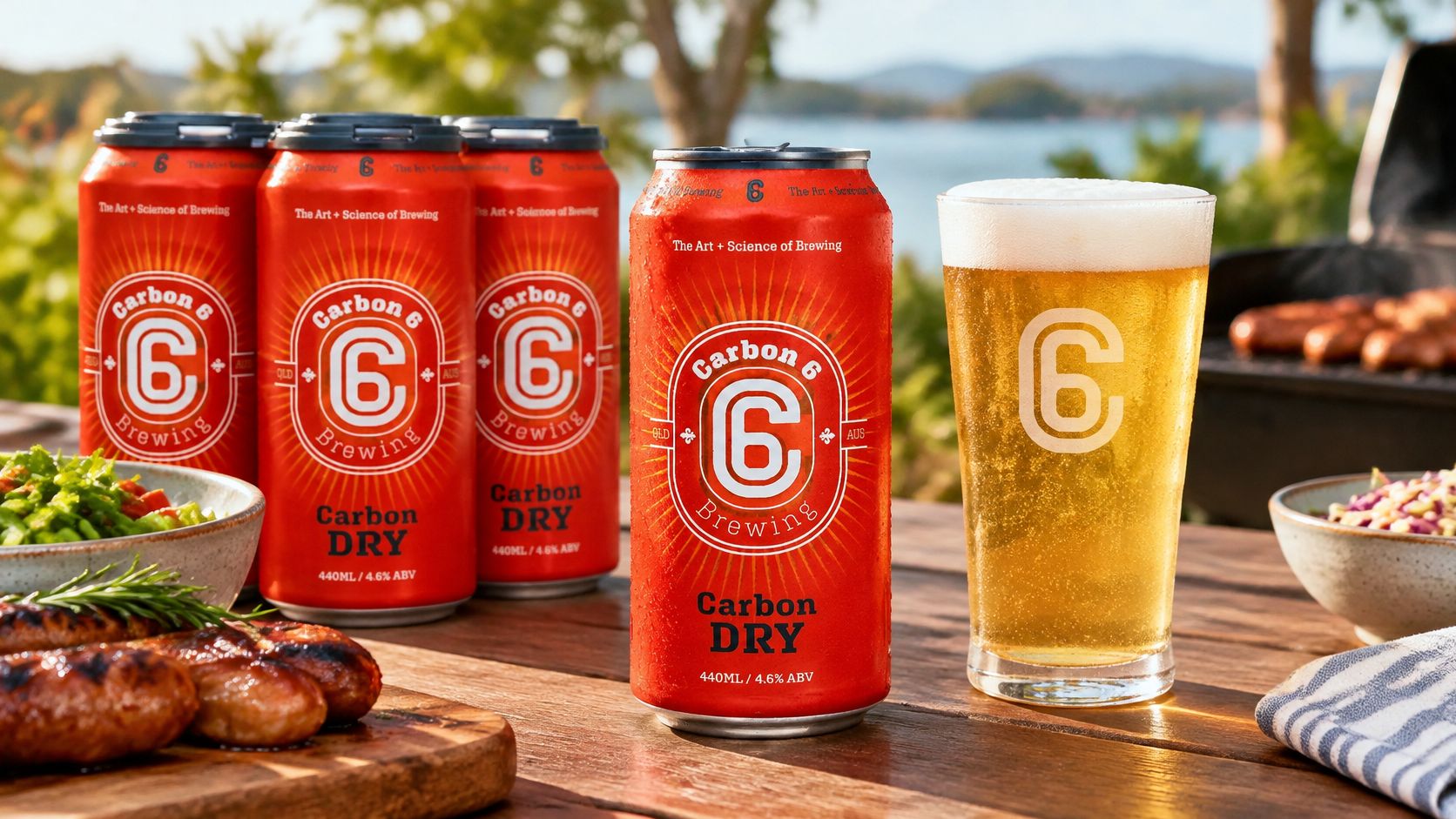
Smaller packs and single cans are the sensible buy when you want less in the house. Carbon Dry Lager beer - Crisp & Refreshing Easy-Drinking Beer is priced at $21 and in stock, so read the ABV off the can and match it to a row before a carton becomes the default.
Three checks, then stop:
- Read the ABV on the can, not the style name. A lager and an IPA can sit miles apart, which is the point of a full strength beer percentage check.
- Count the standard drinks for one can, then for the whole pack. Pack maths is where the total doubles.
- Match the pack to the occasion and the number of drinking days ahead, not to a free-delivery threshold.
How we do it at Carbon 6
Every Carbon 6 beer is brewed from scratch at the Stapylton brewery, canned fresh, cold-stored on site and shipped from the same address. One shed does the whole job.
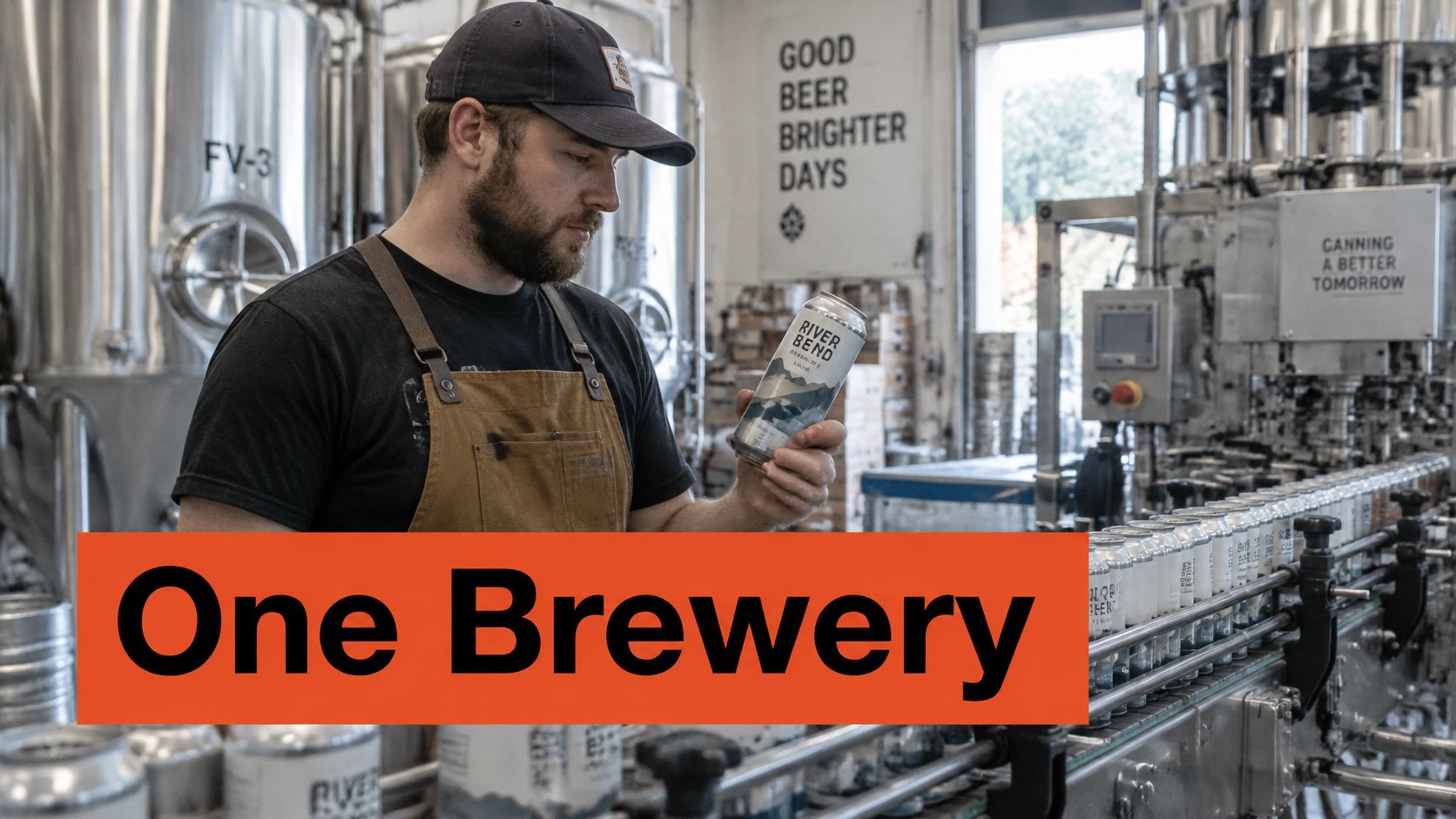
The batches are small. Lagers and pale ales are the staples, with a sour or a seasonal release when one earns a tank, and orders are packed and dispatched within 1–2 business days. The taproom sits inside the same shed, so a glass poured there has travelled metres from the tank it came out of.
That setup earns its keep when the label questions start. Ask us, or any brewery, to show rather than tell: the malt and hops going in, the tank a batch came from, the cold room where cans wait for dispatch. A brewer who can answer on the floor where the beer is made carries more weight than a tap-list adjective, and I'd take the walk over the poster every time.
Choose an Organic Beer by Checking the Label First
Once the certificate checks out, the decision gets easier: pick the beer that suits the night. An organic claim tells you how ingredients were grown. It says nothing about freshness, style, or whether you'll want a second can, and a can that says "organic" might mean one certified ingredient or the whole grain bill. The certificate is the only place that tells you which.
If you're ordering from us, every beer is brewed and canned on site at Stapylton, and orders are packed and dispatched within 1–2 business days from the brewery. For a spread of styles in one box, the Mixed 16-Pack covers crisp lagers, hazy IPAs, fruited sours and seasonal drops, with beers like Carbon Dry, Peachquency, Zingularity, Polarity Shift, Exploration Pale Ale, Occasional Beer, pHantasy Sour and Carbon Mid rotating through. If one style is all the fridge needs, single-beer packs such as Nova Dust Hazy IPA or The Occasional Beer WC Pilsner keep things focused.
The Beer Swap Guarantee applies either way. If your first sip tastes like disappointment, we swap it for a better one, no questions and no forms.
Buy the beer whose certifier and certification scope you have verified, even if that beer isn't ours. We won't claim certification we don't hold. #BrewedForTheOccasion
Carbon 6 Brewing Pty Ltd brews and cans its beer on site in Stapylton for drinkers who want the beer matched to the occasion. If you're choosing an organic beer in Australia, verify the certifier before you pay extra, then pick a fresh can that suits the night. Visit Carbon 6 Brewing Pty Ltd and use the swap if the first sip misses.