
Types of Craft Beer and How to Choose
Sep 28, 2026
You're standing in front of a fridge packed with cans that promise everything from piney bitterness to ripe mango, toasted coffee and bright raspberry tang. The tap list isn't much kinder. Pale ale, XPA, hazy IPA, pilsner, sour, stout, mid-strength lager. Which one suits you tonight?
That choice gets easier once you understand the main types of craft beer as flavour families rather than rigid definitions. Think about the result you want, refreshing and crisp, juicy and aromatic, dark and roasty, or tart and food-friendly. The style name then becomes a useful shortcut, not a barrier.
Navigating the Modern Craft Beer Fridge
Walk into an Australian bottle shop and the fridge offers a compact tour of modern brewing. One brewery may line up a crisp lager, hazy IPA, stout and fruit-forward seasonal beer beside its regular range. Beer Cartel's craft beer market overview estimates more than 600 independent craft breweries by 2025, compared with fewer than 50 in 2010. It also places craft beer at roughly 10% of total beer volume and about A$1.5 billion in annual value. (Australian craft beer history and market overview)
The Australian scene has moved from European-inspired foundations toward styles shaped for local tastes. Pale ale and IPA helped establish a hop-focused identity, while hazy and New England IPA brought softer bitterness and fuller fruit aroma. Little Creatures' pale ale launch in 2000 and Stone & Wood's Pacific Ale in 2008 mark important points in that story, alongside the wider growth of independent brewing in Australia.
That range can feel like a menu without explanations. Start with the experience you want, then use the style name as your shortcut.
- You want a safe crowd-pleaser: Choose a pale ale, XPA or lager.
- You want fruit and aroma: Try a hazy IPA, New England IPA or fruited sour.
- You want bitterness: A West Coast IPA offers a sharper, drier hop profile.
- You want richness: Pick a stout, porter, amber ale or red ale.
- You want refreshment over intensity: Reach for a pilsner, Pacific ale or session beer.
Your choice can follow the weather, meal and mood. A bright, fruit-forward beer suits a long afternoon, while a clean lager keeps conversation and food in focus. A darker ale gives a slow evening more weight. Australian craft beer increasingly makes room for sessionable beers too, so flavour does not have to mean intensity. The fridge is not an exam. It is a tasting flight, with each can offering a different pace and flavour direction.
The Great Divide Between Ales and Lagers
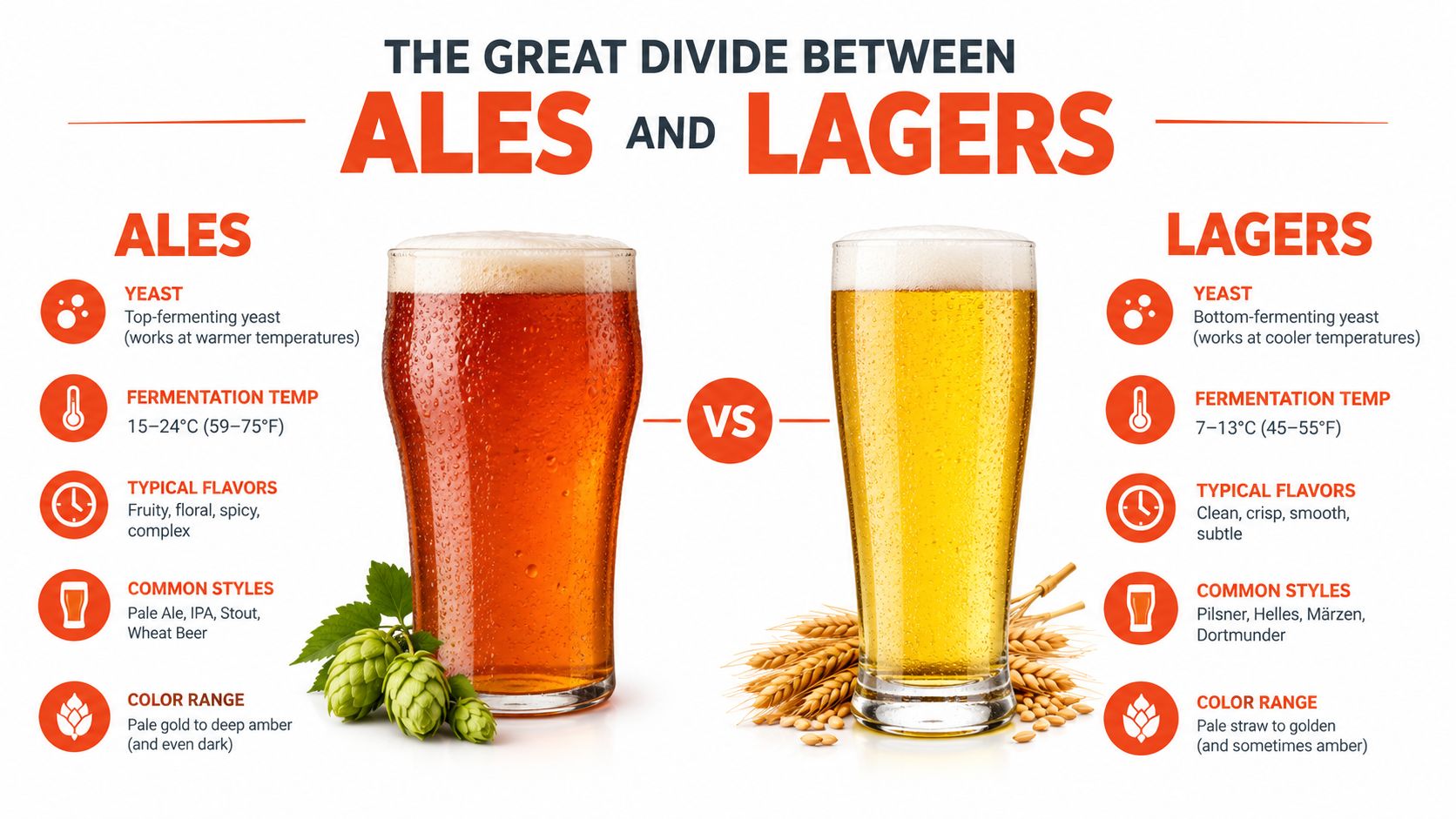
The first pour at a tasting can reveal the difference: one beer may smell fruity and feel lively, while another finishes clean and crisp. The main reason is fermentation.
Ales ferment warmer, using yeast that works relatively quickly and can add expressive flavours such as fruit, spice and other complex fermentation character. Lagers ferment cooler and more patiently, giving yeast and maturation time to create a cleaner, crisper profile. Fermentation is a useful starting point, not a complete definition. Hops, malt, water and brewing technique still shape the final glass.
Read the family resemblance
A pale ale belongs to the ale family, so it often offers more hop aroma and fermentation character than a very clean lager. An IPA pushes that hop expression further. A stout combines ale fermentation with roasted malt, creating a darker, fuller profile suited to slower sipping.
Lagers have plenty of range. A pilsner is typically pale, dry and hop-scented, while a craft lager may be lighter in flavour and body. That lighter profile does not make it basic. Clean beer leaves fewer places for brewing faults to hide, so balance and precision matter.
For a closer comparison, read this guide to the difference between ale and lager beer.
Why Australian tastes changed
Australian craft brewing grew from strong European traditions, then adapted to local drinking habits. Pale ale and IPA became familiar reference points. Pacific ale offered a lighter, more aromatic direction, while hazy IPA brought softer texture and fruitier aroma. Together, these styles give drinkers options for different moods, meals and levels of intensity.
A national survey of 17,000 craft beer drinkers conducted in 2023 found that 88% preferred Pale Ale or XPA, while 84% preferred IPA or Double IPA and 65% preferred New England IPA. The same research recorded interest in richer beers, with 63% preferring Stout or Imperial Stout and 63% preferring Amber or Red Ale. (Australian craft beer market research)
Practical rule: If a label says ale, expect a more expressive frame. If it says lager, expect a cleaner, crisper one. Hops, malt, fruit character and brewing technique provide the finer detail.
Decoding the IPA Family Tree
You order an IPA expecting bitterness, then the glass arrives smelling of ripe mango and feeling almost creamy. That difference is the point: IPA is a family of related beers, not one fixed flavour. Choose by hop profile, texture and drinking occasion rather than by the letters alone.
West Coast IPA
A traditional West Coast IPA places bitterness and hop definition at the front. Pine, citrus peel and resin lead into a dry finish, creating a brisk, cleansing beer. It suits salty food, grilled meat or any moment when you want a decisive hop edge instead of sweetness.
Bitterness provides structure. In a well-made example, firm hop character meets a lean malt base, so the finish stays focused rather than heavy. The result is closer to a sharp citrus sorbet than a soft fruit smoothie: bright, dry and direct.
Hazy and New England IPA
Hazy IPA and New England IPA follow a softer path. Hop timing and grist composition emphasise aroma, body and fruit character, often suggesting mango, peach, passionfruit, citrus or other stone fruit. Compared with a classic West Coast version, the bitterness can feel rounded, while haze and fuller mouthfeel create a lush impression.
IMARC's Australian craft beer market research found Pale Ale remained the most widely consumed style at 82%, while Hazy or New England IPA reached 78% consumption. The research also recorded Golden Ale declining from 70% in 2016 to 52% in 2022, and Wheat Beer moving from 59% to 42% over the same period. (Australian craft beer market research)
These styles fit different moods. West Coast IPA works when you want clarity and a firm finish. Hazy IPA suits a relaxed gathering or a fruit-forward pour with enough body to linger.
Oat Cream IPA
An Oat Cream IPA takes softness further with ingredients such as lactose and rolled oats. Oats add a silky, pillowy texture, while lactose contributes body and sweetness. The style suits drinkers who want vivid hop aroma with a creamy, almost dessert-like mouthfeel.
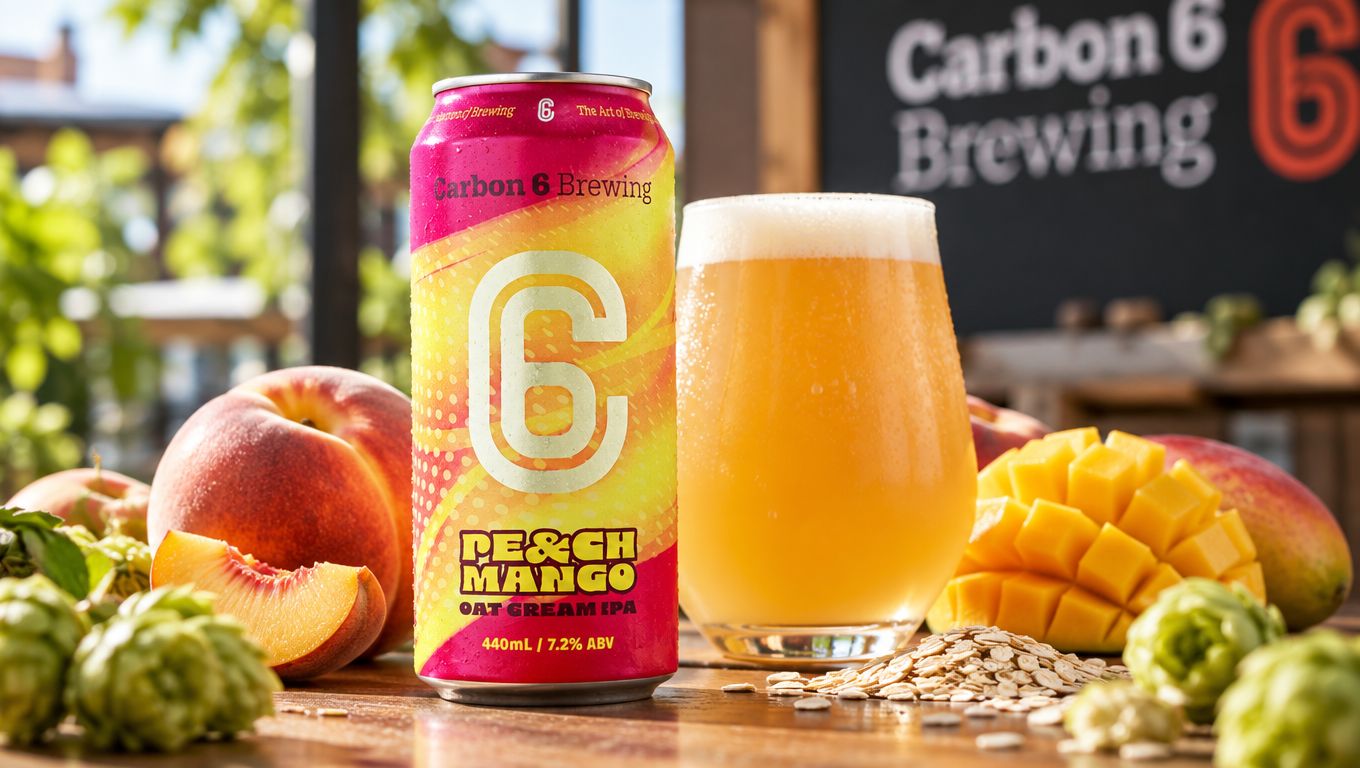
A useful example is Peach & Mango - Oat Cream IPA | Craft Beer, described as a hazy Oat Cream IPA with peach, mango, lactose and rolled oats. Its hop blend includes HPA-033, Citra and Galaxy, and the beer is listed at 7.2% ABV in 440mL cans.
The label offers a practical flavour map. Peach and mango point toward ripe tropical fruit. Lactose and oats suggest a round, smooth texture, while Galaxy and Citra indicate an aromatic hop profile. Choose West Coast for a bitter palate reset, or Oat Cream IPA for an indulgent, fruit-driven pour.
For a lighter hop experience, this session IPA guide explains how aroma and drinkability can work together.
Exploring Dark Malts and Wild Sours
A pale ale suits plenty of occasions, but rich food, cooler weather or a craving for roast and chocolate calls for a darker pour. These beers bring comfort and depth, while sour styles offer a brighter change of pace for drinkers who prefer fruit and acidity.
Dark beers get their colour and deeper flavours from roasted malts. The roast level and recipe can suggest coffee, cocoa, toast, burnt sugar or dark bread. Porters usually keep the malt character smooth and measured, while stouts often add more roast, body and creaminess. Barrel ageing may contribute vanilla and oak, though those flavours work only when the base beer remains balanced.
Roast, sweetness and texture
A milk stout uses lactose to create a fuller, softer impression. Dark Orbit Stout BAR is described as a 4.4% ABV Milk Stout with roasted malt, subtle chocolate notes, coffee warmth, lactose and a creamy finish. It is listed onsite in four-packs and as single 440mL cans.
Amber ale and red ale provide a useful middle ground. They are maltier than pale ale, yet generally less roast-driven than stout, with flavours of caramel, biscuit, toast and gentle fruit. That makes them a practical bridge in a tasting flight, especially for someone moving from bright, hop-led beer towards darker malt character.
Sour beer and food
Sour beer builds its character through acidity rather than roast. Kettle souring can produce clean, bright tartness, while mixed fermentation and barrel work may create more layered wild notes. Raspberry, vanilla and coconut can shape the aroma and soften how sharply the acidity feels.
At the table, that acidity can cut through fatty BBQ, grilled sausages and creamy dishes. A fruit-forward sour also works with dessert, bringing lift and freshness where a rich stout might feel too heavy.
A sour should refresh first, then reveal its detail. If acidity dominates every other flavour, the beer loses its food-friendly balance.
Choose these styles by mood as much as by definition. Amber ale suits a gradual move toward roast, porter deepens the malt conversation, and a tart fruit sour resets the palate between courses. That range reflects why Australian drinkers can find room for both comforting malt and lively, sessionable fruit character in the same tasting.
The Renaissance of Crisp Lagers and Session Styles
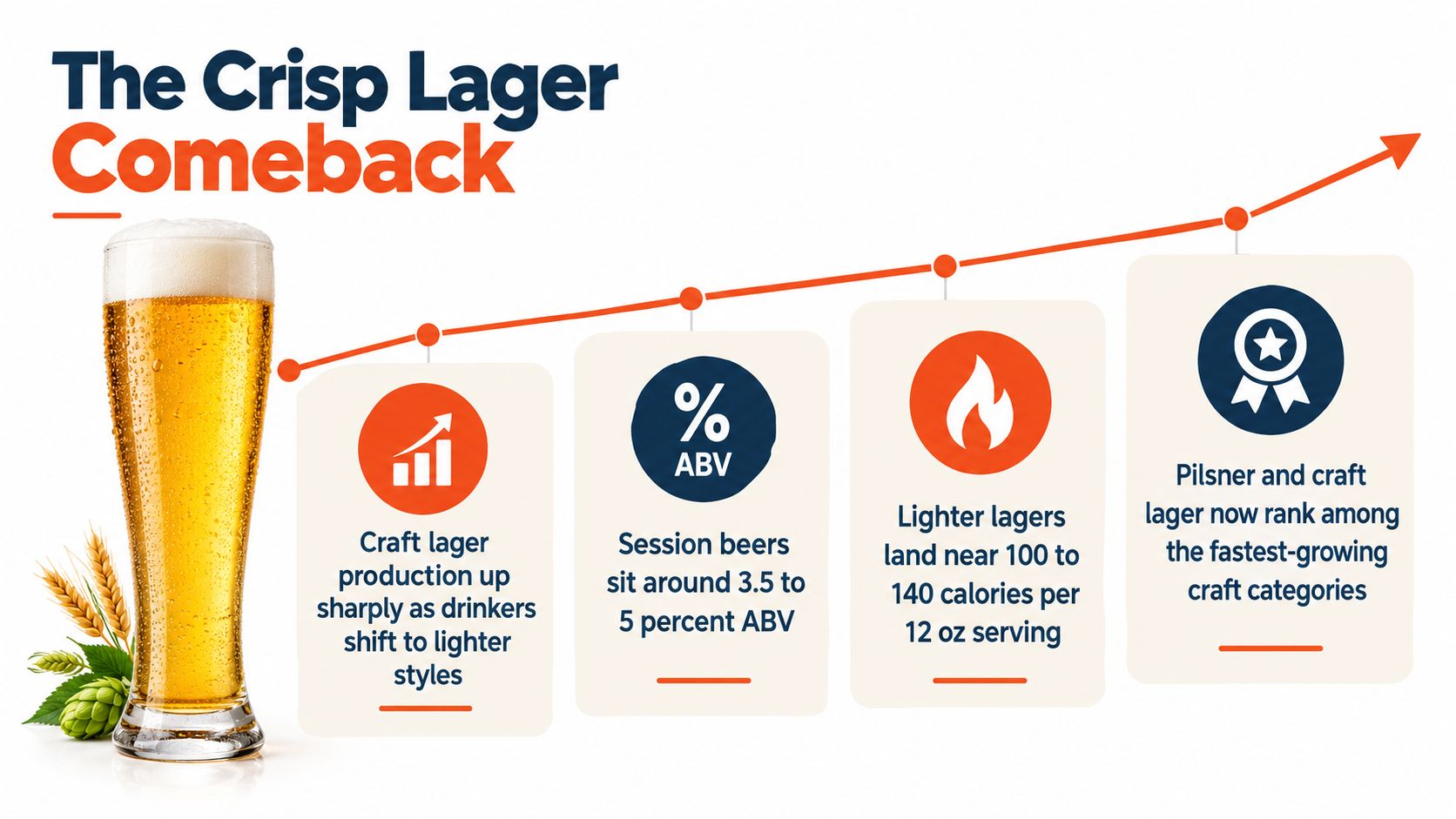
Craft beer doesn't have to be heavy, cloudy or high in alcohol. A carefully brewed lager may be one of the clearest demonstrations of a brewer's control because clean fermentation leaves little room to disguise imbalance.
A pilsner or West Coast Pilsner can combine a dry finish with spicy, floral or citrus-like hop character. The style remains crisp, but the hops give it more detail than a generic commercial lager. A mid-strength or session beer takes the same drinkability principle and makes it easier to choose a beer for a long afternoon, a BBQ or a cricket match without turning the occasion into a tasting of only high-intensity releases.
A lighter beer can still be serious
Queensland's market makes this especially relevant. Guidance on the state's craft beer sector describes a strong contribution to the state economy and notes that Queensland drinkers show a particularly strong preference for mid-strength styles. The same guidance also explains that lighter, lower-intensity beers such as pale ales and craft lagers can support broader taproom and direct-to-consumer appeal, while more flavour-forward beers can support premium positioning and mixed-pack purchasing. (Queensland craft beer strategy)
A separate Australian market forecast identifies rising popularity for low-alcohol and alcohol-free craft beer. That matters because lower-ABV beer isn't merely a health niche. Many drinkers want freshness, flavour and social ease, with less intensity in the glass. (Australian craft beer forecast)
Build a sessionable esky
Choose a pilsner when you want crispness and a dry finish. Pick a craft lager for clean malt and gentle hop character. Reach for a pale ale when you want more aroma without the weight of an IPA. These styles work well when the food is doing some of the talking.
The challenge is technical, not theatrical. A lighter beer exposes fermentation character, sulphur, oxidation and balance problems quickly. When the brewer gets it right, the result is strikingly compelling.
Matching the Brew to Your Mood and Occasion
Start with the occasion, then choose the flavour intensity. This approach works better than picking a style because its name sounds impressive.
Choose by the feeling you want
| Your moment | A useful starting point | What to look for |
|---|---|---|
| Hot afternoon outdoors | Pilsner, lager or Pacific ale | Crisp finish, light body, gentle hop lift |
| Catch-up with mixed tastes | Pale ale or XPA | Familiar malt, noticeable aroma, moderate bitterness |
| Fruit and aroma craving | Hazy IPA or New England IPA | Peach, mango, passionfruit, citrus and soft texture |
| Rich dinner or roast meat | Amber ale, red ale or stout | Toast, caramel, roast and body |
| Tart refreshment | Fruited sour | Acidity balanced by fruit character |
| A longer social session | Mid-strength or session style | Drinkability and lower intensity |
Serve crisp lagers and pilsners colder if you want their clean, snappy character to lead. Hazy IPA often benefits from being served slightly warmer than a pilsner, because hop oils and fruit aromas become easier to notice as the beer opens up. Don't let the can sit warm for ages, though. The aim is aroma release, not stale beer.
Taste in a sensible order
If you're pouring several styles, move from lighter and drier to richer or more intense. A practical flight might begin with lager, continue through pale ale, then move to hazy IPA, amber ale and stout. Put a sharp sour where it makes sense for the food or tasting plan, because acidity can reset your palate.
Buying direct from an independent brewery can also make exploration simpler. Mixed packs let you compare styles in one order, while cartons or larger packs may make delivery more practical for customers already planning a home tasting. Read the pack description carefully, check the listed format and keep the beer cold once it arrives.
For a straightforward decision process, use this beginner's guide to choosing craft beer.
Why Independent and Local Matters
The beer in your glass carries more than a style name. It reflects where the brewer works, how quickly the beer moves through the supply chain and whether the recipe responds to local drinkers.
Queensland has more than 13% of Australia's 516 independent breweries, while those operators account for about 11% of the state's beer industry, according to Queensland Government reporting. That difference between brewery presence and production share shows why independent breweries need clear style choices and disciplined processes to turn local interest into sustainable sales. (Queensland Government statement on independent breweries)
The same source notes that more than half of the malt used in Queensland craft brewing is sourced domestically. Shorter sourcing routes can support local supply relationships, while careful storage and distribution matter especially for hop-forward beers, whose bright aroma can fade when the beer spends too long warm or in transit.
What your purchase supports
Independent brewing gives drinkers access to more variation than a narrow national range. A local brewer can test a new hop combination, adjust a recipe for Queensland preferences or release a seasonal beer without needing a mass-market volume strategy.
Freshness is also a practical reason to buy close to the source. Pale ale and IPA rely heavily on hop aroma, so the time between packaging and drinking matters. Local taprooms, brewery shops and direct-to-consumer channels can shorten that journey.
Australia's wider beer market has faced a long decline in overall consumption, with Deloitte describing beer consumption as being at a 65-year low. That context makes premiumisation, exploration and differentiation more important than chasing old mass-volume habits. (Deloitte perspective on Australian craft beer)
Independent Brewers of Australia consumer polling reported that 29% of Australians had purchased craft beer in the three months before September 2024, a recent indicator of craft beer's reach and purchasing behaviour. (Independent Brewers of Australia consumer polling)
As you explore, check who brewed the beer, where it was packaged and whether the style suits how you drink. If you're buying or sharing alcohol, keep the occasion responsible and ensure any advertising or promotion meets the ABAC Responsible Alcohol Marketing Code. Queensland guidance also prohibits marketing that encourages rapid or excessive consumption, depicts people under 25, or suggests alcohol creates success, changes mood or makes safety-related activities such as driving acceptable. (Queensland alcohol advertising guidance)
Carbon 6 Brewing Pty Ltd brews independent craft beer in Stapylton on Queensland's northern Gold Coast, with styles that include fruit-forward hazy and Oat Cream IPAs alongside other local releases. Visit Carbon 6 Brewing Pty Ltd to explore the range and choose a beer that matches your next tasting, meal or relaxed gathering.